
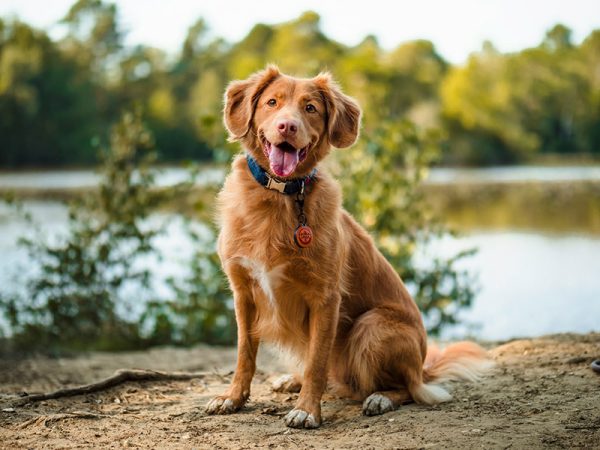

Most people know the things that you should always do for your dog. You should walk them daily, feed them, and give them love and attention. But there are also plenty of things that you should never do to your dog in order to improve their safety, well-being, and mental health. Avoiding these pitfalls can help your dog live a longer and healthier life.

The 12 Things You Should Never Do to Your Dog
1. Never Leave Your Dog in a Car Unattended
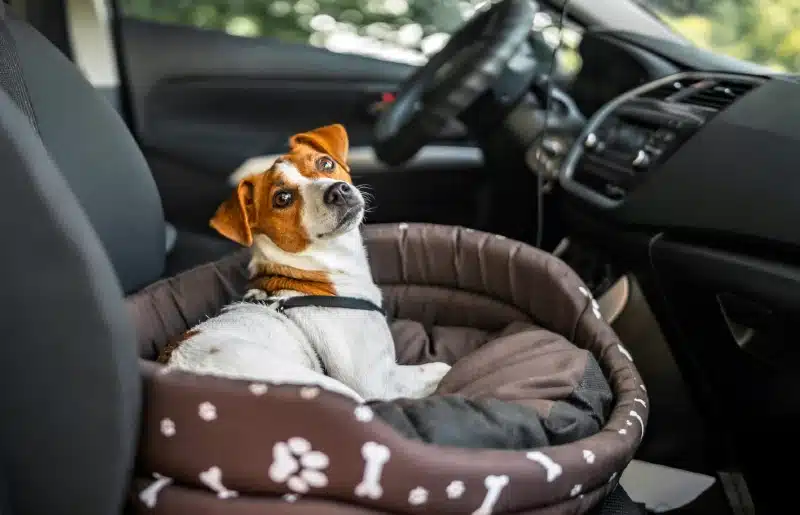
Most people know not to leave their dog unattended in a hot car, but you should not leave your dog unattended in any car. Cars can heat up very quickly and get much hotter than people think, even if it feels comfortable outside.
Dogs left in cars can also knock the gear-stick and even mess with the car’s systems. There are numerous stories of dogs that were left in cars for short periods of time that ended up putting the car into neutral and causing the car to roll away. In one particular story, an English Bulldog put the car into neutral, and the car rolled into a nearby pond.1 Hot cars are particularly dangerous, but you should never leave your dog unattended in any car for any length of time.
2. Never Leave Your Dog Unsupervised with Children or Unfamiliar Dogs
It is never a good idea to leave your dog unsupervised with children. Dogs can end up hurting kids, and kids can end up hurting dogs if they are unsupervised. A dog that ends up biting a child can end up being euthanized, even if it wasn’t necessarily the dog’s fault. Dogs should also not be left alone with unfamiliar dogs. This includes friends’ dogs or dogs in a public place like the beach or a dog park. Unfamiliar dogs can end up being aggressive and injuring your dog. Dog fights happen all of the time, and many dogs end up in the vet hospital seeking treatment.
Most issues concerning strange dogs and children can be prevented or mitigated with close supervision, but some people think that their dog is safe being left out of sight in certain situations. That is a mistake that could end up costing you and your dog. Never leave your dog unsupervised with young children and don’t let your dog out of your sight around unfamiliar dogs.
3. Don’t Neglect Their Teeth and Dental Health
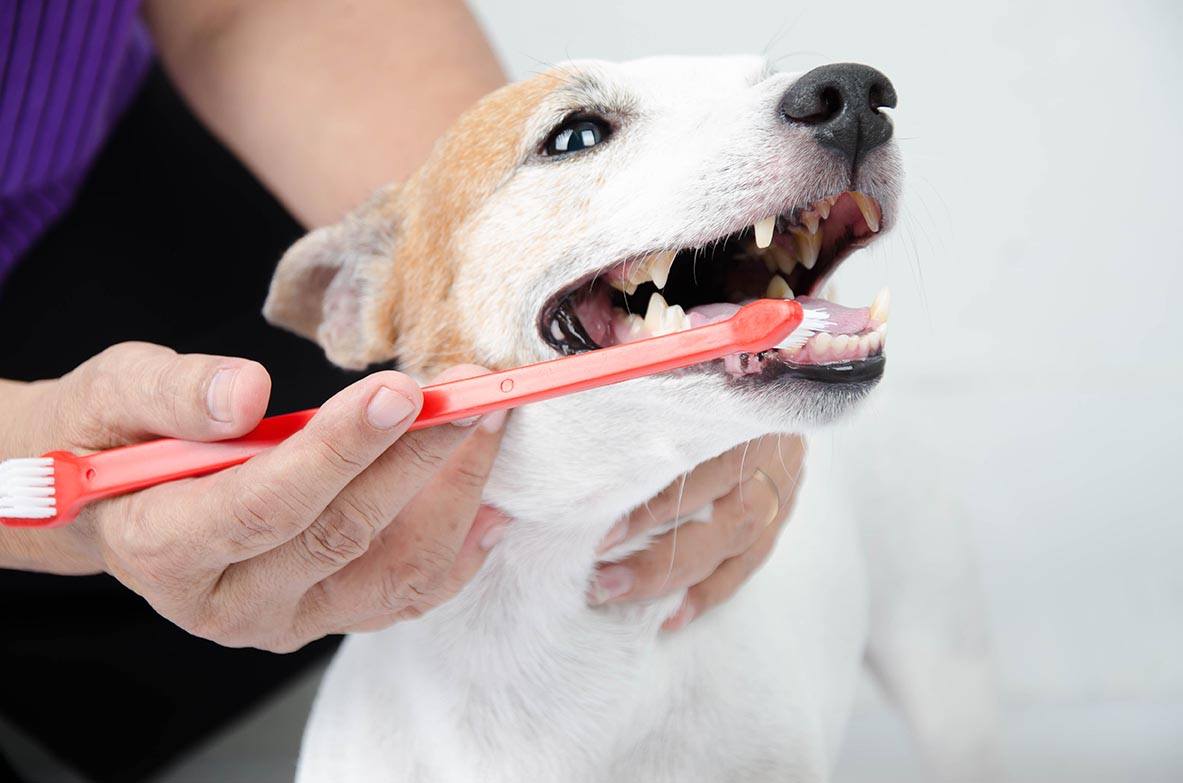
Dogs need regular dental care to keep them healthy, especially as they age. Most people don’t realize that part of looking after a dog is caring for their teeth in much the same way you look after your own teeth. It is recommended that your dog gets a health check once a year, and this will include your vet examining your dog’s teeth. Brushing your dog’s teeth 2-3 times a week can mean that their teeth stay healthier for longer. This will mean that you won’t have to spend loads of money on a veterinary dental procedure every few years. Dentals help identify rotten teeth, clean plaque and debris from the teeth, and give your dog the opportunity to get bloodwork to check for underlying health issues. However, they are expensive and involve a general anesthetic for your dog, so they are best avoided if possible.
Most people don’t realize that dogs need dental care until it is too late. Many owners who neglect their dogs’ dental health end up having to remove a large number of their dogs’ teeth when they become damaged, rotten, and painful.
4. Don’t Skip Regular Trips to the Vet
Some people only take their dogs to the vet when they think they are sick or injured. That is the incorrect way to treat your dog’s health. Dogs should go to the vet at regular intervals for routine checkups to maximize their health and well-being. It is recommended that you take your dog to the vet at least once per year, and more often as they reach their senior years. This will ensure that your dog is getting the care they need.
It is much easier to find and treat potential problems during routine checkups than it is to treat an already advanced disease that wasn’t caught quickly. Preventive medicine is just as powerful and effective for dogs as it is for people, and neglecting preventive medicine does a disservice to your dog.
5. Never Let a Dog Live Outside Continuously
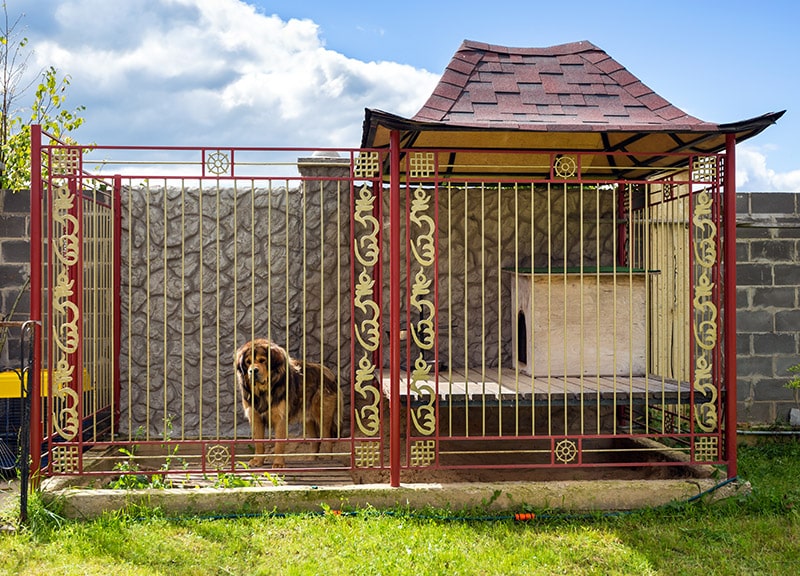
This practice has largely been phased out, but there are still some places where dogs are expected to live outside year-round. Dogs should not live outside continuously. Dogs need to have a safe area that is warm and dry to spend their time. This is true everywhere. Some places have brutally cold winters and wet weather. Other places have extremely hot summers with oppressive heat.
Your dog needs to have somewhere they can go to get out of the elements. Unless you are going to build your dog a climate-controlled house with proper heat, air conditioning, and insulation, you should not let your dog live outside at all times. While dogs have wild ancestors, most domesticated dogs today are not equipped to live outside at all times and they require attention and socialization to allow them to live healthy, happy lives.
6. Don’t Let Your Dog Play with Sticks
Sticks seem like a classic toy for dogs. Playing fetch with a stick is an image burned into many people’s brains. However, sticks can actually be very dangerous. Countless dogs go to the emergency room or veterinarian each year after they have a mishap with a stick. The most common injury is tripping with a stick while running and impaling a part of the mouth or snout. Dogs can also chew sticks and swallow the pieces, which can lead to bowel issues and even blockages of the intestines.
Letting your dog play with sticks is an unnecessary risk in a day and age where there are more dog toys and specialty products made to keep dogs safe than ever before. There is no need to let your dog play with sticks when they can easily play with safe alternatives instead.
7. Don’t Rely on a Crate Instead of Proper Training
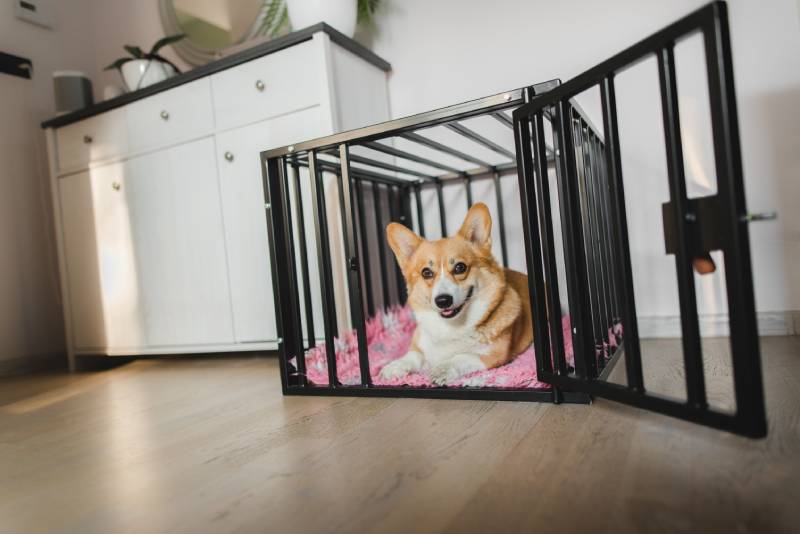
Dog crates are useful tools. They can help keep dogs safe when you are gone, and they can be used to help puppies potty train. However, crates should not be used in place of proper training. You should not simply stuff your dog in a crate any time you don’t want to deal with them. Sequestering them in a crate denies them any opportunity to learn or put their training to good use. For example, if you crate your dog every time someone comes over or when someone rings the doorbell, they will never have the chance to learn how to behave in these situations.
If you rely on a crate too much for your dog’s behavior, then you will be putting them in there for longer and longer periods instead of reinforcing good behaviors when they are out of the crate. The more a dog lies in a crate, the less training and opportunity for growth they are getting. It is much better to set expectations and work on proper behavior with the dog outside of the crate than crating them every time you don’t want to deal with them.
8. Don’t Leave Your Dog Alone at Home for Long Hours
The maximum recommended period you should leave a dog alone for is between 4-6 hours. Leaving a dog for long periods of time can cause anxiety and destructive behaviors as well as toilet accidents. If you work long hours or get caught up in town, you should have someone you can call to come and check on your dogs.
Ideally, you have someone who can let your dogs out and check on them during the middle of the day to ensure that they are doing okay. Some people leave their dogs alone for 10, 11, and 12 hours at a time, and that is not good for your dog. Never leave your dog alone or unsupervised for long periods of time.
9. Never Tether or Chain a Dog
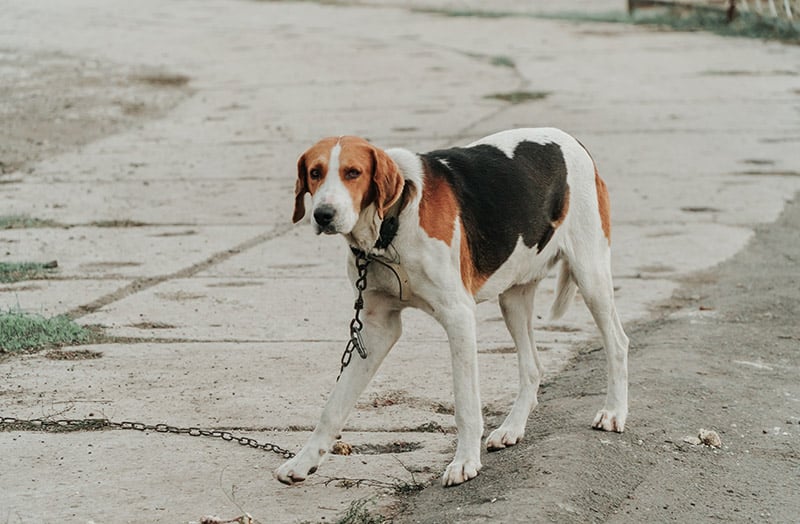
Some people think it is a good idea to tether or chain their dogs in the yard to prevent them from escaping or chasing after prey like squirrels. This is not a good idea. You should never tether or chain your dog because it can lead to injury and cause anxiety.
Chained dogs will often pull on their tethers, causing damage to the neck and throat areas. Tethered collars can rub and cause sores or hair loss on the neck. Dogs can become tangled and injure their legs. It has been reported that some tethered dogs have panicked, gotten tangled, and broken their legs. Dogs can also accidentally strangle themselves or become trapped when chained up. For all of these reasons, you should never chain or tether your dog in the yard.
10. Never Hit Your Dog
This one might seem self-explanatory, but you would be surprised how many people resort to hitting their dogs out of frustration. Hitting a dog does almost nothing when it comes to obedience, focus, training, and learning. Hitting only causes fear, anxiety, and intimidation, which can manifest as bad behaviors. Dogs that are anxious or scared are more likely to bark, growl, and bite than dogs that are calm. Hitting is not an effective form of punishment, and it can actually undo hard fought training gains.
Hitting your dog can also land you in legal trouble. Most people don’t hit hard enough to do any damage, but if you hit your dog and injure them, you can end up facing animal cruelty charges. Considering there is no benefit to hitting a dog, the legal risk is absolutely not worth it. Never, ever hit your dog.
11. Never Give Your Dog Medications Without Vet Supervision
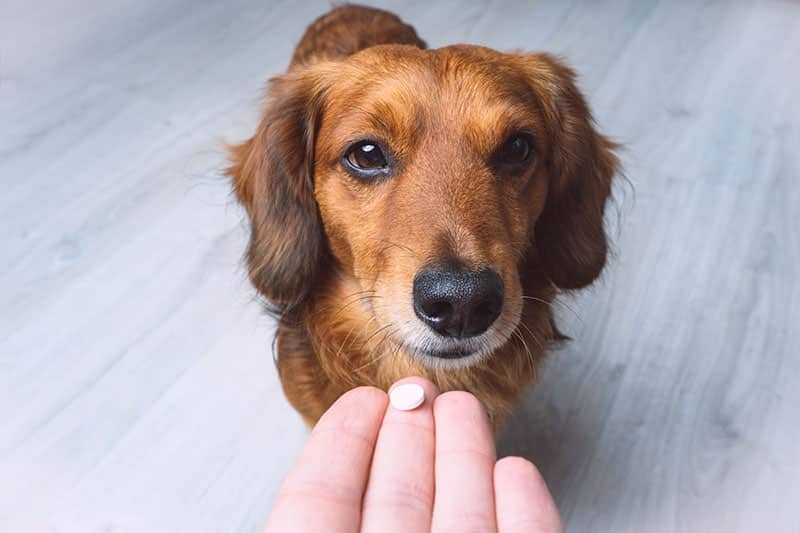
Dogs’ metabolisms are not the same as our own. Dogs digest and process drugs very differently than people do. This means that you should never give your dog drugs or medications without the supervision of a veterinarian. Some medications share an overlap between dogs and people, but many of them do not. Some medications that work one way in people work a completely different way in dogs. Trying to administer medication to your dog without the supervision of a veterinarian can lead to unsafe and unpleasant results.
Similarly, you should always finish a course of medication as prescribed. Do not stop giving your dog prescribed medication even if they seem to be feeling better. Cutting antibiotic treatments short can lead to antibiotic resistance. Always follow all instructions on any medication prescribed to your dog, and make sure you follow the directions accurately and completely. The only exception to this is if your dog is having unpleasant side effects from taking medication. If this is the case, discuss the problem with your veterinarian; they may have an alternative they can prescribe or they may recommend you stop the treatment.
12. Never Give Your Dog Alcohol or Unsafe Table Scraps
You need to be careful about what kind of human foods you give to your dog. Some things, like alcohol, should never be given to a dog. Similarly, there are foods such as onions, garlic, grapes, and chocolate that can be extremely toxic for dogs. That means you should carefully consider any table scraps before giving them to your dog. Don’t mindlessly put your plate down for your dog to lick, thinking it is completely safe, because it might not be.
You should also avoid giving your dog any bones from your meal or after cooking. While dogs are known to like to chew bones, some bones, like chicken bones and fish bones, can splinter and pierce your dog’s insides, leading to damage and bleeding, which can result in a medical emergency. The safest thing to do is to avoid giving your dog table scraps altogether. That is not realistic for everyone, so if you are not willing to cut table scraps out completely, be sure to know exactly what you are giving to your dog and make sure it is safe before putting it down.

Conclusion
These are 12 things that you should never do to your dog. These tips will help keep your dog healthy and well throughout their life. Some of these tips seem like common sense, but you would be surprised how many of them go unheeded. It might only take one mistake to cost you and your dog a lot of grief. It is a good idea to brush up on the basics and reinforce what not to do so you can avoid any unpleasant situations with your dog.
Featured Image Credit: Jamie Street, Unsplash
Contents
- The 12 Things You Should Never Do to Your Dog
- 1. Never Leave Your Dog in a Car Unattended
- 2. Never Leave Your Dog Unsupervised with Children or Unfamiliar Dogs
- 3. Don’t Neglect Their Teeth and Dental Health
- 4. Don’t Skip Regular Trips to the Vet
- 5. Never Let a Dog Live Outside Continuously
- 6. Don’t Let Your Dog Play with Sticks
- 7. Don’t Rely on a Crate Instead of Proper Training
- 8. Don’t Leave Your Dog Alone at Home for Long Hours
- 9. Never Tether or Chain a Dog
- 10. Never Hit Your Dog
- 11. Never Give Your Dog Medications Without Vet Supervision
- 12. Never Give Your Dog Alcohol or Unsafe Table Scraps
- Conclusion