

Vet Blog: Information and Advice from Dr. Eric Barchas, DVM

07/05/08

What Causes Cysts in Pets?
Dr. Eric Barchas, DVM

Hi,

I have an 11-year-old Shepherd mix that has
developed numerous cyst type bumps on her body. I
have had them checked a few times by my vet and he
says that as long as they move, they are okay. I
had one excised and he only said he couldn’t draw
fluid from it and instead had to cut it out. Not
sure if he sent it for analysis.

I’m concerned because they are rapidly spreading
over her body especially along her ribcage and
sides. Is this a certain type of disease process
or should I be more concerned about cancer? Are
there certain type of foods that could either
inhibit or encourage growth of these cysts?

Thanks,

Debbie
Kitchener, ON, Canada

no cysts yet.Cysts are benign (non-cancerous) growths that are common in or under the skin. They consist of a sac or lining of cells that produce secretions. The secretions accumulate within the lining and fill the cyst. Some cysts produce secretions that are very fluid. Others fill with very firm, viscous secretions.

Cysts in or under the skin usually are harmless. They can be unsightly, and they may burst or become infected. However, they rarely lead to life-threatening situations.

Some cysts can be drained with a needle and syringe. If the fluid inside a cyst is very viscous, it may not be possible to perform this procedure. These cysts can be removed (excised) with surgery.

However, in most cases it is not necessary to drain or remove cysts. Since most external cysts are not dangerous, I generally recommend leaving them alone unless they are causing irritation or other problems.

Most cysts appear to be hereditary in nature. They are common in older pets. I doubt that your dog’s diet is playing a role in the syndrome. She most likely has an individual predisposition that causes her to develop cysts.

You mention that the growths on your dog look like cysts, but that you aren’t sure whether your vet has ever had a laboratory analyze the growths to confirm their identity. I recommend that you contact your vet to determine if this has been done.

If a laboratory has confirmed that the growths are cysts, then you don’t have much to worry about. Your dog may produce more of them over time, but they are unlikely to cause harm.

If none of the growths has been tested, then I’d recommend that you have your vet submit a sample to the lab. Laboratory analysis will confirm the diagnosis, and hopefully provide peace of mind.

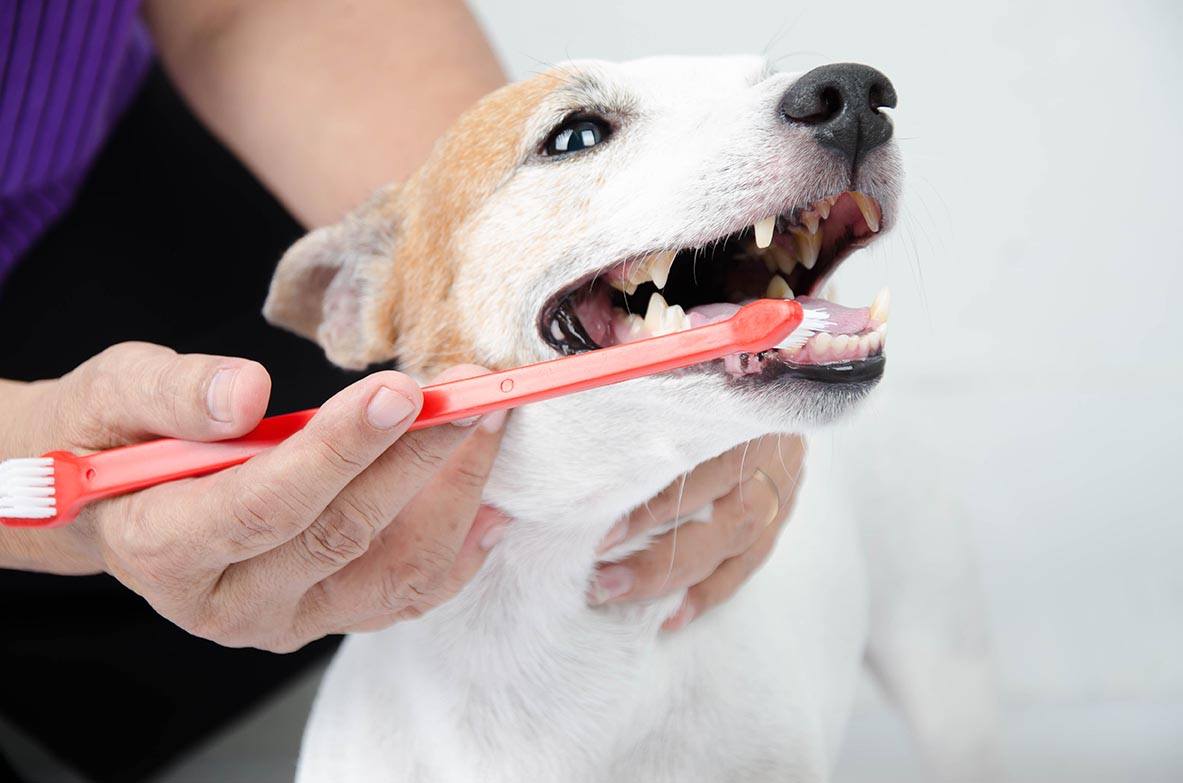
(A note about the photo: Buster doesn’t have any cysts yet, but if he’s like most dogs some will show up over time.)

Add this entry to your shared bookmark service: These icons link to social bookmarking sites where readers can share and discover new web pages.
  • Digg
  • del.icio.us
  • Facebook
  • Google
  • Reddit
  • SphereIt
  • StumbleUpon
  • Live
  • Ma.gnolia
  • ThisNext
  • Sk-rt
See related Vet Blog entries:
07/04/08

Can Dogs and Cats Take Herbal Cleansers?
Dr. Eric Barchas, DVM

rhustox.jpgDr. Barchas, I am taking an herbal/homeopathic
blend to “detoxify” my body of chemicals,
metals etc. Are there any such herbal/homeopathic
medicines for dogs?

Joe Anne
Mechanicsville, MD

There are many homeopathic products available for pets. In fact, there seem to be several blends available for every conceivable condition, as well as many products for “cleansing” the systems healthy pets.

Homeopathy and herbal medicine cause almost as many arguments among veterinarians as vaccines. In the general public, supporters and opponents of homeopathy both have such strong feelings that they often sound like fanatics when the subject comes up.

I have no doubt that certain blends of herbs and natural products may have health benefits for pets. However, I’d urge you to perform due diligence if you are thinking about administering a homeopathic treatment to your pet.

For one thing, the efficacy of many homeopathic products is unproven. And in my opinion, that’s a big deal. It is very easy to prove that a treatment works. Simply set up a controlled, randomized double-blind study with a sample size that will yield statistically relevant results. That may sound technical, but it’s actually very easy to do. If no study has been done to prove the efficacy of a product, it raises a red flag in my mind. Why has the manufacturer not bothered to take this simple step?

Another problem is that the world of homeopathy is not well regulated by governments. This leads to wide disparities in the qualifications of homeopathic practitioners and the quality of their products.

Some practitioners of homeopathy are veterinarians or other individuals with advanced training. These individuals create products that are likely to be safe.

Other homeopathy practitioners are basically snake oil salespeople. They have no training at all. They simply want to cash in on a profitable enterprise.

A third group consists of well-meaning people who are knowledgeable about human homeopathic remedies but have little training with animals. Members of this group can be especially dangerous. Some of them are not aware that certain compounds can be beneficial to humans yet dangerous to pets (grapes, chocolate and garlic come to mind). Sadly, I have seen pets suffer kidney failure, anemia and other adverse effects after consuming human homeopathic products.

I am not opposed to the use of homeopathic and herbal products. But do some research before you purchase and administer these creations. If you aren’t careful you may do more harm than good.

Add this entry to your shared bookmark service: These icons link to social bookmarking sites where readers can share and discover new web pages.
  • Digg
  • del.icio.us
  • Facebook
  • Google
  • Reddit
  • SphereIt
  • StumbleUpon
  • Live
  • Ma.gnolia
  • ThisNext
  • Sk-rt
See related Vet Blog entries:
07/03/08

Does Pet Food Cause Health Problems?
Dr. Eric Barchas, DVM

800px-cat_and_cat_foods.jpgHello Dr. Barchas,

Don’t you think that the pet food that is
available for our dogs and cats is one of the
major reasons they have huge health problems?

Kimberly
Mt Maunganui, Bay Of Plenty, New Zealand

In a way, I do. But it’s probably not the way that you’re talking about.

In developed countries, diseases such as thyroid conditions, kidney failure, cancer and heart failure are becoming more common among pets. There is rampant speculation about what causes many of these syndromes. Breeding, chemical body burden, and yes, diet probably play a role. But there is one factor that is not in dispute. All of the problems listed above occur most often in older animals.

Another thing that is not in dispute: on average, animals in developed countries are living longer than in the past. There is no doubt that the increased life expectancy that animals now enjoy is playing a role in the increased prevalence of cancer, hyper(and hypo)thyroidism, heart failure and kidney failure.

I am not saying that increased life expectancy is the only factor involved in this phenomenon. But it definitely is a factor.

Now, consider developing countries. In recent years, I have observed dogs and cats in Nicaragua, Mongolia, Laos, El Salvador and Botswana (among others). The diseases that are so common in the US, New Zealand, and other developed countries are basically unheard of in developing nations. The explanation is simple. Animals in developing countries don’t live long enough to develop these problems.

Animals in developed countries live longer, on average, for a number of reasons. Cats are more likely to be kept indoors. Pets are more likely to be spayed or neutered. They are more likely to receive vaccines. They are more likely to receive basic medical care and be treated for parasites. And they are more likely to be fed pet food.

I am not saying that the pet foods on the market now are perfect. History may reveal tremendous problems with them. There is always room for improvement. We may discover in the future that certain ingredients in pet foods promote some of the diseases mentioned in this post.

However, there is no doubt that the currently available pet foods represent a massive improvement over the diets that animals receive in developing countries–table scraps, garbage and prey animals.

The widespread use of pet food has contributed to increased life expectancies for pets. So yes, in that sense pet foods are contributing to the increase in health problems that we are seeing in the developed world.

For those of you who want my opinion on which food is the best: I weighed in on that matter a while back. Click here to see what I had to say.

For more information on dogs in developing countries, I recommend the book Dogs: A Startling New Understanding of Canine Origin, Behavior, and Evolution by Raymond Coppinger and Lorna Coppinger (Scribner, 2001).

Add this entry to your shared bookmark service: These icons link to social bookmarking sites where readers can share and discover new web pages.
  • Digg
  • del.icio.us
  • Facebook
  • Google
  • Reddit
  • SphereIt
  • StumbleUpon
  • Live
  • Ma.gnolia
  • ThisNext
  • Sk-rt
See related Vet Blog entries:
07/02/08

Protect Your Cat From Five Common Hazards
Dr. Eric Barchas, DVM

I have heard from several cat folks who felt that my recent post on common poisons in pets didn’t really apply to them. I see their point. The poisons mentioned in the post (chocolate, rodenticides and xylitol) most often affect dogs.

It is no secret that cats are quite selective about what they consume. That makes them less likely to suffer adverse effects from the poisons in the previous post. But there are plenty of hazards out there for cats. So let’s give cats their due.

Here are some hazardous items that, in my experience, commonly cause trouble for feline companions.

scanning_electron_micrograph_of_a_flea.jpg

  • Cheap flea control products. Many topical flea preventatives found in grocery stores and drug stores have low margins of safety. If you apply too much, or if you apply a canine product to your cat, you may see trembling, drooling, disorientation, staggering or even death. High quality flea preventatives do not generally cause these reactions. (Photo credit: CDC)
  • spoolsofthread.jpg

  • String, thread and yarn. Norman Rockwell loved to paint pictures of kittens playing with balls of yarn. But if a cat swallows yarn, string or thread it can lead to a life-threatening condition in which the intestines bunch together. Surgery may be necessary, and some cats do not survive. The situation is even more serious if a needle is attached to thread that a cat swallows.
  • Household chemicals. Cats don’t often consume chemicals straight from the bottle or the floor (an exception is radiator antifreeze–and it’s highly toxic). But if chemicals contaminate a cat’s skin, he or she will lick them off and swallow them in the course of normal grooming.
  • 393px-lilium_parryi.jpg

  • Houseplants. Many cats love to nibble on houseplants. Unfortunately, many houseplants are poisonous to cats. Lilies and Dieffenbachia species are two of the most common. For a more comprehensive list, click here.
  • 628px-kapseln.JPG

  • Human or canine medications. Many well-meaning people inadvertently poison their cats with human or canine pain killers, anti-anxiety drugs or other medications. Never give medicine to a cat without consulting a veterinarian.
  • Please remember that the above list is not comprehensive. However, if more people take care to protect their cats from the hazards in this post, fewer cats will end up in emergency rooms.

    Add this entry to your shared bookmark service: These icons link to social bookmarking sites where readers can share and discover new web pages.
    • Digg
    • del.icio.us
    • Facebook
    • Google
    • Reddit
    • SphereIt
    • StumbleUpon
    • Live
    • Ma.gnolia
    • ThisNext
    • Sk-rt
    See related Vet Blog entries:
    07/01/08

    Vets Cited as Opponents of California Farming Initiative; at Least One Vet is Incensed
    Dr. Eric Barchas, DVM

    800px-cow_with_calf_dsc06514.jpgAn interesting message appeared in my inbox the other day. The message was sent by an organization that opposes a voter initiative scheduled to appear on the November ballot in California.

    The ballot measure in question is the 2008 Farm Animal Initiative. An excerpt from the e-mail I received follows.

    Californians for SAFE Food, a coalition of family farmers, veterinarians and consumers, which includes the National Animal Interest Alliance, California Farm Bureau Federation, California Women for Agriculture and many of the leading avian science and poultry experts in the nation, ask you to join us and oppose this dangerous initiative. (emphasis mine)

    I did some research on the initiative. Here is a quote from the text of the ballot measure (link is PDF format).

    The purpose of this Act is to prohibit the confinement of farm animals in a manner that does not allow them to turn around freely, lie down, stand up, and fully extend their limbs.

    To me, the standards set forth in the initiative sound quite reasonable. And I have a hunch that the overwhelming majority of Californians will see it the same way. I predict the initiative will pass by a landslide in November.

    If you look at the website sponsored by the initiative’s opponents, you will see a list of veterinarians who have, indeed, endorsed the opposition. But a check of the sponsor’s site will reveal a much, much longer list of veterinarians who support the measure.

    I recognize that the initiative may create a burden for California farmers. It may also lead to increased food prices.

    But I, for one, am not happy that veterinarians as a group have been listed in mass e-mails as opponents of an initiative designed to promote humane farming practices–especially when it seems that most vets (myself included) support the measure.

    For more information on the initiative, click on the links below.

    Supporters’ website: Californians for Humane Farms
    Opponents’ website: Californians for SAFE Food

    Add this entry to your shared bookmark service: These icons link to social bookmarking sites where readers can share and discover new web pages.
    • Digg
    • del.icio.us
    • Facebook
    • Google
    • Reddit
    • SphereIt
    • StumbleUpon
    • Live
    • Ma.gnolia
    • ThisNext
    • Sk-rt
    See related Vet Blog entries:
    • No Related Post
    06/30/08

    What Causes Chronic Limping in Young Dogs?
    Dr. Eric Barchas, DVM

    labradorweaving.jpgI have a three-year-old Lab who limps quite
    frequently, and the pain seems to be in his front
    leg or paw. It is most evident when he is
    walking downstairs. I have mentioned this to my
    vet repeatedly and he says it could be muscle
    strain and to not walk him for a few days. That
    doesn’t help. I have him on chondroitin but to
    no avail. This is continual. What can I do to
    get this diagnosed properly? Do you suggest an
    MRI?

    Thank you!

    Val
    Newtown Square, PA

    Soft tissue trauma (muscle strain or a mildly injured joint) is the most common cause of limping in young dogs. This sort of injury usually is caused by rough play, over-exertion, or landing incorrectly after jumping.

    Limping caused by soft tissue trauma generally improves after a few days of rest. I have seen cases in which dogs were not rested properly. This can lead to recurrent injuries and chronic limping.

    However, it sounds like you have rested your dog appropriately on more than one occasion. I have a hunch that something else is going on.

    Young, large-breed dogs such as Labrador Retrievers may suffer from a number of different problems that can cause chronic limping. Syndromes that may be contributing to your dog’s limping include elbow dysplasia and cartilage defects in the elbow, wrist or shoulder. He may have suffered significant trauma to a joint early in life that has resulted in arthritis. As well, several other less common causes could be causing the problem.

    I recommend that you have a vet perform a very thorough evaluation of the affected leg. He or she will check for swelling, pain, joint laxity, and other symptoms that can help identify which area of the leg is affected. If your dog exercises heavily just before the exam, the problem spot may be easier to identify.

    Once the problem has been localized to a specific area, the next step is to take X-rays of the area. (If the problem can’t be localized, consider taking X-rays of all of the joints in the limb.) In most cases X-rays provide a definitive diagnosis. This, in turn, will allow you to treat the problem appropriately.

    There are instances in which X-rays do not lead to a diagnosis. In these cases, the next step is arthroscopy or advanced diagnostic imaging (CT or MRI). However, I recommend that that you start with simple tests and work your way up if necessary.

    Add this entry to your shared bookmark service: These icons link to social bookmarking sites where readers can share and discover new web pages.
    • Digg
    • del.icio.us
    • Facebook
    • Google
    • Reddit
    • SphereIt
    • StumbleUpon
    • Live
    • Ma.gnolia
    • ThisNext
    • Sk-rt
    See related Vet Blog entries:
    06/29/08

    Study Reveals High Levels of Dangerous Chemicals in Pets’ Bodies
    Dr. Eric Barchas, DVM

    709px-polychlorinated_biphenyl_structure-1.jpgI would like to thank Amanda of Environmental Working Group for alerting me to a report that her organization recently released. An excerpt from the report is below.

    High Levels of Toxic Industrial Chemicals Contaminate Cats And Dogs

    . . . In the first study of its kind, Environmental Working Group found that American pets are polluted with even higher levels of many of the same synthetic industrial chemicals that researchers have recently found in people, including newborns.

    The results show that America’s pets are serving as involuntary sentinels of the widespread chemical contamination that scientists increasingly link to a growing array of health problems across a wide range of animals—wild, domesticated and human.

    I recommend that you read the report. The findings are disturbing. For instance, consider the following.

    Dogs and cats were contaminated with 48 of 70 industrial chemicals tested, including 43 chemicals at levels higher than those typically found in people, according to our study of plastics and food packaging chemicals, heavy metals, fire retardants, and stain-proofing chemicals in pooled samples of blood and urine from 20 dogs and 37 cats collected at a Virginia veterinary clinic.

    Diseases such as cancer and hyperthyroidism are becoming more prevalent in pets. Part of the increase in prevalence can be explained by the longer life expectancies that pets currently enjoy. Cancer, in particular, is more likely to strike when animals are older.

    However, the bodily effects of many chemicals listed in the study are not fully understood. In my mind, it is very likely that chemical body burden is playing a role in these disease processes.

    Environmental Working Group has launched a campaign to raise awareness about this issue. You can view the campaign’s website by clicking here. The campaign’s spokesdog, Eddie, has a good blog. He also has a profile on Dogster.

    Add this entry to your shared bookmark service: These icons link to social bookmarking sites where readers can share and discover new web pages.
    • Digg
    • del.icio.us
    • Facebook
    • Google
    • Reddit
    • SphereIt
    • StumbleUpon
    • Live
    • Ma.gnolia
    • ThisNext
    • Sk-rt
    See related Vet Blog entries:
    06/28/08

    How Can I Make Moving Houses Easier for my Dog?
    Dr. Eric Barchas, DVM

    I have a sweet but sensitive Bichon/Terrier mix
    who has gone through a lot of change in the past
    year. He had a brief stint in an animal shelter
    and then got a brand new neighbourhood, family and
    owner (me!).

    We will be moving to a new home in the upcoming
    weeks and I would like to make things easier for
    him. Do you have any tips on how to make
    moving easier for my dog?

    Sarah
    Toronto

    There is no doubt about it. Moving is stressful. This is true for pets, just as it is true for people.

    Pets generally are creatures of habit. They tend to be most comfortable in stable environments and they usually enjoy predictable routines (although a surprise trip to the park or beach rarely seems to bother most of the dogs I know). Moving houses upsets that stability.

    First, take heart from the fact that your dog has already gone through quite a few big changes in his life. It sounds like he was able to tolerate those changes and remain well-adjusted. That bodes well for the future.

    I have two recommendations for easing your dog’s transition to the new house. First, try to maintain as many of your normal routines (regular walks, feeding times, belly rubs and so forth) as possible during the move. He will suffer less stress if fewer elements of his life are disrupted.

    Second, and this is easier said than done, you should try not to get stressed out during the move. Dogs make wonderful companions in part because they are highly attuned to human emotions. If you are distressed or nervous, your dog will pick up on it. And he probably will become stressed out as well.

    Dogs are highly adaptable creatures. I’m sure it won’t be long until he settles in and becomes comfortable in his new home.

    Add this entry to your shared bookmark service: These icons link to social bookmarking sites where readers can share and discover new web pages.
    • Digg
    • del.icio.us
    • Facebook
    • Google
    • Reddit
    • SphereIt
    • StumbleUpon
    • Live
    • Ma.gnolia
    • ThisNext
    • Sk-rt
    See related Vet Blog entries:
    06/27/08

    Can Infected Teeth Cause Sneezing?
    Dr. Eric Barchas, DVM

    800px-fangs_01_rfc1036.jpgMy cat has been sneezing and wheezing
    when he is resting. He is eating and drinking
    normally and I have been giving him antibiotic
    shots for about two weeks but he doesn’t
    seem to be improving.

    My vet has said he has an
    inflamed gum and he recommends the removal of
    a canine tooth. However, Baxter is not
    experiencing pain on either side of his mouth, at
    least when I apply pressure.

    I would really like to avoid the trauma of a tooth
    removal. Should I get the vet to do x-rays of the nose
    and mouth? Other suggestions?

    Thanks, Diane and Baxter

    Washington, DC

    Several different problems can lead to sneezing and wheezing in cats. Sinus infections, allergies, viruses and foreign objects or growths in the nose are some of the most common culprits.

    In Baxter’s case, I am wondering whether the inflamed tooth and the nasal symptoms may be related. The roots of the upper canine teeth lie very close to the nasal passages. If a canine tooth root becomes infected, it can cause a chronic sinus infection.

    Although Baxter’s tooth does not seem to hurt him, inflamed or infected teeth and gums generally do cause pain. Some cats are very stoic, and do not show signs of dental pain. There is a chance that the tooth is hurting him even though he doesn’t act like it.

    I think that taking X-rays of the tooth and the surrounding area is an excellent idea. X-rays will help to determine how severely damaged the tooth is, and whether it is contributing to Baxter’s wheezing and sneezing. This will help you and your vet make an informed decision about extraction of the tooth.

    Be aware that if the tooth is not playing a role in Baxter’s troubles, the path ahead could be frustrating. Diagnosing chronic sinus problems often involves complex and expensive tests such as CT scanning, rhinoscopy (using a special instrument to visually examine the interior areas of the nose and sinuses) and biopsy.

    Photo credit: Pascua Theus. Photo licensing information: click here.

    Add this entry to your shared bookmark service: These icons link to social bookmarking sites where readers can share and discover new web pages.
    • Digg
    • del.icio.us
    • Facebook
    • Google
    • Reddit
    • SphereIt
    • StumbleUpon
    • Live
    • Ma.gnolia
    • ThisNext
    • Sk-rt
    See related Vet Blog entries:
    06/26/08

    Protect Your Pet From Three Common Poisons
    Dr. Eric Barchas, DVM

    I have spent several nights over the last few weeks working at a veterinary emergency hospital near San Francisco. We see an incredible range of cases, but during my last two shifts in particular I treated a huge number of dogs for exposure to toxic substances.

    There are literally thousands of household products, plants, foods, human medications and chemicals that are poisonous to dogs and cats. To view two (non-comprehensive) lists of potential poisons, click here (for household products) and here (for plants).

    Despite the huge number of hazardous plants and materials out there, I have noticed that three of them seem to be more commonly ingested by pets than the others. So, although I encourage you to be proactive about protecting your pet from all potential poisons, please be especially aware of these three.
    chocolate02.jpg

  • Chocolate. Toxicity depends on the size of the pet, the type of chocolate consumed (darker chocolate is more dangerous than lighter chocolate), and the amount of chocolate that is eaten. Severe intoxication with chocolate can lead to irregular heart rhythms and death. Many dogs seem to find chocolate just as delicious as we humans do. Sadly, for dogs chocolate can be much worse than a guilty pleasure.
  • rattus_norvegicus_1.jpg

  • Rat and mouse poisons (rodenticides). Even small amounts of rodenticide can be deadly to cats and dogs. The most commonly used rodenticides cause internal bleeding. There is an antidote, but it must be administered rapidly to prevent severe illness or death.
  • 600px-kaugummis.jpg

  • Chewing gum. This is a relatively new player in the world of pet poisons. Not all chewing gum is toxic. However, several popular brands contain a sweetener called xylitol. Xylitol can cause dangerously low blood sugar in dogs. It also has been linked to liver damage.
  • I recommend that pets never be allowed access to any poisons. However, please be especially careful with the three listed above. Dogs are more likely than cats to be exposed to each of these poisons because they are less selective about what they eat.

    If you suspect that your pet has consumed any poisonous product, contact a veterinarian immediately. Acting quickly can help to prevent serious consequences.

    If possible, always bring the packaging from the product that was consumed, as well as any remaining product to the veterinarian’s office when you seek treatment. This will help the vet to positively identify the type and amount of toxin consumed.

    Remember, however, that the best way to keep your pet safe from poisons is to make sure he or she does not have access to them in the first place.

    Add this entry to your shared bookmark service: These icons link to social bookmarking sites where readers can share and discover new web pages.
    • Digg
    • del.icio.us
    • Facebook
    • Google
    • Reddit
    • SphereIt
    • StumbleUpon
    • Live
    • Ma.gnolia
    • ThisNext
    • Sk-rt
    See related Vet Blog entries: