

Is Raw Food Better Than Commercial? Or is it Worse?
I want to start by setting guidelines for comments on this post. The subject of pet food in general, and raw food in particular, has a knack for triggering strong emotions. People on both sides of the raw food debate have been known to post comments to this blog when they are angry or offended.
I strongly encourage you to comment on this post. I want to hear your opinions. You are free to disagree, respectfully, your fellow commenters or with me. However, I insist that all comments be respectful. They must be respectful to fellow commenters, and they must be respectful to me.
Thank you in advance for not forcing me to delete any comments.
And now, as promised, here is what I think about raw food.
In my opinion, raw diets are neither better nor worse than commercial diets. Raw diets undoubtedly work better for some individuals. Commercial diets work better for others.
Let’s break this subject down by analyzing some of the arguments that have been cited against and for raw diets. I’ll start with the argument that my malpractice insurance provider never lets me forget.
Raw diets pose health threats to humans and pets.
This claim has been the subject of much ballyhoo over the years. It is true that improperly prepared raw meat can spread parasites such as tapeworms (although not the most common type of canine and feline tapeworm), Toxoplasma gondii, and Trichinella to pets and humans. Improperly prepared raw meat can spread bacterial ailments including Salmonella, E. coli and Campylobacter.
The above statements are facts. Whenever a client asks me about raw food, I feel compelled to bring these facts up. If I do not and a client or patient becomes sick from raw food, I could be sued.
But if one looks a little harder at these risks, it turns out that with care they can be managed. The phrase improperly prepared is critical. A client once confessed to me that she had contracted Salmonella three times from her dog’s raw diet. That confession said more about her than about the diet.
And let us not forget that any food, if not properly prepared, can spread disease. The most recent outbreak of Salmonella in the United States was due to contaminated peanut butter. Inadequately washed raw vegetables are thought to be the most common means of Toxoplasma transmission. Commercial pet foods occasionally are tainted with Salmonella or melamine.
Life is full of risks that must be managed. I love carpaccio, steak tartare, ceviche and sashimi. I realize they have the potential to make me sick, so I only eat them when I feel that I can trust the maker. People who feed raw (or, for that matter, commercial) diets should be no less cautious.
Raw diets often are not nutritionally complete and balanced.
Any home made diet (and, for that matter, many a cheap commercial diet) has the potential to be nutritionally inadequate. If people who make raw food for their pets do their homework, then this shouldn’t be a problem.
Commercially prepared raw diets are overpriced.
This argument is neither here nor there for me. It is every person’s right to decide how much to spend on pet food. As long as the commercial raw diets are balanced and nutritionally complete, then in my mind price is a private matter between the manufacturer and the consumer.
And, of course, one could argue that plenty of conventional commercial diets also are overpriced.
Studies have shown that cats and dogs can survive for many generations eating nothing but one type of high quality commercial food. This proves that the food in question contains all of the nutrients that cats or dogs need.
Indeed, these studies have been performed. And in my opinion they are significant.
However, most of these studies were funded by the manufacturers of the food in question. Such conflicts of interest cannot be ignored.
Furthermore, these studies do nothing to prove that pets can’t survive equally well or better on other diets.
Dogs and cats evolved to eat raw food. Wolves eat raw food. Therefore, raw diets are superior to commercial diets.
People who employ this argument occasionally throw in tidbits about digestive enzymes. For instance, I have heard it said that cats lack the necessary enzymes to digest carbohydrates. (If that were true, then the carbohydrate content of cat food would be irrelevant. Carbs would simply pass through cats undigested, like cellulose does.)
I also have heard the argument that canine and feline digestive enzymes are tailored to raw protein. Therefore, according to the argument, raw food is more digestible than cooked. (In fact, the enzymes that digest protein are very versatile. They generally can handle either type of food.)
In my opinion the evolutionary argument in favor of raw food is weak on a couple of levels. First, dogs aren’t wolves any more than humans are chimpanzees.
Second, even if dogs and cats descended from strictly predatory creatures, the current incarnation of both species survives mostly by scavenging. If you doubt this, I recommend that you spend some time (as I have) observing unowned dogs and cats in developing countries. That is as wild as either species gets.
In countries such as Guatemala, Nicaragua, Laos, Botswana, Swaziland, Cambodia, Peru and El Salvador I have observed the behavior of feral cats and dogs. They subsist largely on human leftovers. I have never seen a dog or a cat living independently on a prairie or in a jungle, forest, swamp or nature preserve. They generally live among people.
Both species have evolved to live among humans. We generally eat cooked food, and they often eat our leftovers. It is highly likely that their recent evolution has adapted both species to eat both cooked and raw foods.
Frankly, I don’t really care what cats and dogs evolved to eat. I care whether what they eat can lead to optimal health. In my experience, both commercial and raw foods are capable of meeting this expectation.
Raw food prevents and treats canine (or feline) allergies (or autoimmune disease, or inflammatory bowel disease, or some other dreaded problem).
To this argument I say prove it. I am not aware of any well-run studies that document definitive health benefits from raw food. I am skeptical about health claims that are not backed up by hard evidence.
Might the claims of raw food health benefits some day be proved? Sure. And if they are, I reserve the right to endorse raw food. In fact, if the claims are proved, I promise to endorse raw food.
But until I see good scientific studies proving the superiority of any type of food, I cannot in good conscience advocate the use of one food over another.
A note to commenters: I welcome links to studies that cite health benefits of any type of food. However, I will be skeptical of any link that points to a pet food manufacturer’s website or a raw food advocacy site.
My pet had constant problems with allergies (or dental disease, or autoimmune disease, or inflammatory bowel disease) until I switched to raw food. Now my pet is in perfect health.
That’s great, but it doesn’t prove anything about raw food or commercial food in general. There is no doubt that some pets enjoy better health when fed a particular type of food. But one pet’s experience with a particular food does nothing to prove that the food will have benefits for other pets.
The other day I met an 18-year-old dog who had eaten nothing but Alpo his entire life. I don’t generally recommend Alpo, but I couldn’t reasonably claim that Alpo hadn’t worked well for that pet. And, even though that dog had thrived on Alpo for so long, I still don’t recommend the use of Alpo in general.
And that leads me into my take-home message. Raw food is probably better for some pets. Commercial food is probably better for others. Neither has, in my opinion, been proved conclusively superior in general.
Feed your pet what works best for him or her. There’s nothing wrong with properly prepared raw diets. But there’s also nothing wrong with high-quality commercial food.
Live and let live.
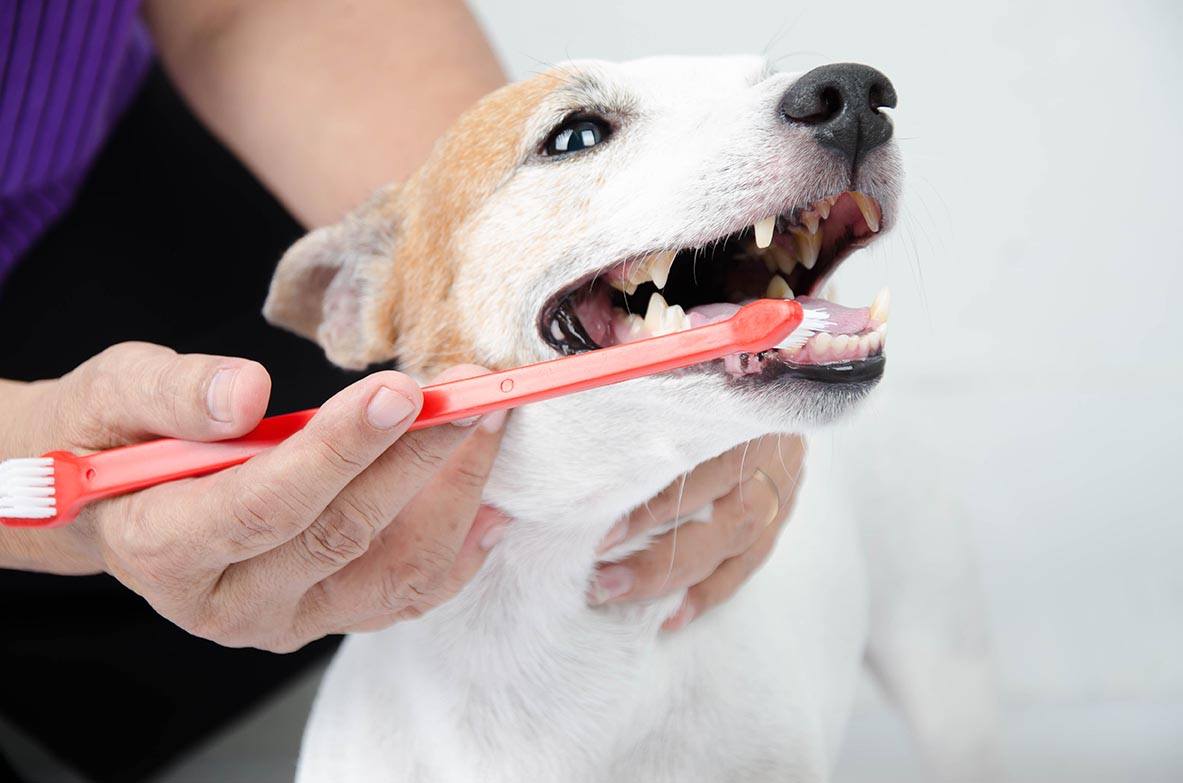
Photo: my pal Buster eats nothing but Science Diet and table scraps that Aunt Laurie sneakily gives him.


You have questions.
Hi Dr.,
As far as I’m concerned, any wholesome food source canned, raw. or dry which isn’t excessively fatty is probably OK for canines or felines. My main concerns are: do the animals tolerate the food source (ie, no indications of allergic reactions, vomiting after eating) and do the animals enjoy consuming the food source. My dog and two cats are all seen by very well qualified vets at least once a year. Most certainly, the docs at my vet clinic would advise me in a New York second if they considered that the animals showed any sign of a dietary problem!
we have been feeding raw for 13 yrs after 26 yrs of commercial topped with cooked food. In my opinion, there is no contest between the two.
To your “prove it” request I say that we have done extensive research thru feeding in our own kennel for the past 13 yrs. Some of our dogs at ages into their senior years do not even have a file at the vet.
To me, it is conclusive that a raw diet is superior to commercial.
I have a couple of comments on this first I feel that like people who need different types of foods because of there activity level and health issues this discussion should be best treated on a by pet and owner preference. The second issue in this I wish to address is the statement that pets have “evolved” in some way to live with humans. I believe the correct word you are looking for is adapted. I have cats and dogs who have hunted not for lack of food but because that is their natural instinct when we moved into town they then adapted to the food I provided for them. Cats are still cats and dogs are still dogs…they have not evolved into any other creature or critter.
Norm, I am very happy that raw food has worked so well for your group of dogs. However, one person’s experience with any sort of food is not evidence that the food will be superior in general for all pets. If you have documented you experiences meticulously and publish them in a non-biased, peer-reviewed journal, then I will certainly use them to revise my opinion.
Kristi, for an example of how rapidly humans have affected the evolution of dogs in particular, consider the Chihuahua, Dachshund, and Great Dane. Regardless of whether you call it evolution or adaptation, there is no doubt that humanity can have a very dramatic impact on the species that we have domesticated–both outside and inside.
I most heartily agree about researching raw and being careful with the meat. I’d rather that someone feed one of the worse brands of kibble than a poorly fed and poorly balanced raw diet.
That said, I’d rather that someone fed well-balanced and carefully fed raw than kibble. But I realize that most people just want to scoop the food out and pour it into the bowl rather than take the time to buy, store, cut up, and supervise the meals of raw for their pets.
I’m just thankful that I am willing to do so.
My dog has done very well on raw. Smaller poops (and he has long fur, so this means less poop gets caught in it), a softer and shinier coat, better breath, much cleaner teeth, fuller coat (of course, he hasn’t blown his coat yet this year, so it may just be his winter coat), more energy, and seems like he shed less last year too.
I can’t afford raw for both dogs at this point, so my other dog is on Diamond Naturals. I feed raw as a treat every now and then for her. Around her birthday, I fed her a complete meal of raw and the next day I fed her another meal of raw. And she had more energy for days after that. The energy went back down after she was fed kibble again for a few days.
What made me look into this diet last year was testimonials from my fellow rawbies. It took months to convince me, but it eventually convinced me that the diet was worth looking into. After researching it and then trying it, I found it was much more than worth looking into. It was worth keeping up for life.
I’ve been feeding raw to my Papillon mix for almost a year now. And I’m glad I did. I don’t plan on going back to kibble anytime soon if I can help it.
Okay, enough of my gabbing about my personal experience. My logic to why I feel that raw is best is that dogs are carnivores. They have the teeth and digestive tract of a carnivore.
They can survive on veggeis and grains. So did some lions in Israel who were fed grain for 3 years. But I feel that just because they can survive on it does not mean it’s best for them.
I so have a bone to pick with your prove it statement. This is called shifting the burden of proof. I’m not saying that we’re free to make our claims and let you or those who agree with you prove it. I’m just saying, if you want it proven, why not spear-head some experiment on raw? I would if I could, but I have no idea how. If there is a way I could start something like that, just let me know.
Thank you for this post. I don’t know a whole lot about raw food and I find it hard to find non-bias information. This was really informative and not pushing one versus the other.
Hi Cookie,
Thank you for your comment. You have been taking the time to contribute your thoughts and insights in the comment section of my blog since the very beginning, and I sincerely appreciate it!
I must respectfully disagree that I am shifting the burden of proof by asking raw feeders to prove the health benefits of raw food to my satisfaction. The burden of proof lies with those who make claims regarding any treatment, medicine or food. By asking advocates of raw food to provide controlled, validated scientific studies backing up their claims, I am keeping the burden of proof where it always has been and where it squarely belongs.
Some day these studies will be run. But it definitely is not my job to run them! I am a clinician, not a researcher.
If the benefits of raw feeding have been proved to your satisfaction, then I absolutely respect your decision to feed raw. However, I have yet to see the sort of evidence that I need to convince me either way–that’s why I refused to endorse any type of food in my post.
Thanks again. I always appreciate your comments.
I am considering switching my dog to a raw diet because I have heard that it would help him lose weight and also ease his athritis. He is ten. Is this true? Also would I have to ease him into the diet or can I just switch it immediately?
One last comment from me.
Anyone in tune with the methods of the methods of the large pet food companies knows full well that documented conclusive proof that these foods are complete and fully life enhancing simply does not exist.
Again, anyone truly involved with petfood knows exactly what goes into commercial pet foods.
We can argue our points back and forth until tomorrow and there still remains a divided camp, and that’s ok, but asking for documented proof from an unbiased source from either camp is quite impossible in my opinion.
Thank you for allowing me to speak my mind on this subject.
I enjoy sharing my thoughts as well.
Rebecca, I’m know that your question is directed at the Dr. Barchas, but if I may share some thoughts, I’d like to say that it could help your dog lose weight depending on how much you feed (2%-4% of his target weight), but then so could feeding less of his current food. As for easing arthritis, joints do have glucosamine in them which help arthritis. I used to feed my GSD chicken feet to help. I don’t do that now as her kibble has glucosamine in it, however.
When I was researching raw, it was recommended that you switch gradually. I started out with chicken for the first week and a half, and I slowly introduced other meats and the organ content. Some dogs do well just switching cold turkey. Mine probably would have. Mine have never had issues from switching foods (raw or brands of kibble) all of sudden. They both seem to have stomachs of steel. However, switching gradually lowers the chance that they’ll get diarehaa (sp, I can never spell that right) from the sudden change in food.
And as stated in Dr. Barchas’s article, please do your research thoroughly before feeding.
Sorry if I was speaking out of turn here, Dr.
here we go again! LOL raw, cooked, homemade and dry… One type does not fit all! I had two neutered male cats that started having urine probs. fed them the diet from the Merck Vet Manual on page 848 prepared in my kitchen. symptoms ceased and both cats lived to 18 and 19 years without any meds or probs. In my kennel where I bred and showed Bull Mastiffs, I fed a high quality dry and a daily chunk of frozen good, private purchase horse meat which they took great delight in gnawing upon. They had shiny satin coats and were in top form! After I moved up North, I had sled dogs which were fed raw frozen fish and a home cooked mash made from fresh ingredients of all sorts. You could call it “Nail Soup”. Blocks of the mash were frozen to feed on the trail with the fish. Need I say the dogs were in top running form! So, I could say I have a foot in both camps! LOL I thought common sense was the deciding factor in the end. I grew up on a ranch/farm and have fed just about all domestic and a few exotics in my time. I’ll keep an eye on this subject. Always willing to learn! thanks
P.S. I am 72 and a half and I have seen a lot of life go bye and I make my calls based upon life experiences. Thanks for letting me put my two cents on the “issue’.
Since most studies for ferlines or dogs are uysually done by a company for their own benefits, it is highly unlikely that you will get
the studies that are needed unless thee is commercial viability for the company. I guess that is why we will neve know how long a vaccine can actually work for.
That said purina did a study on raw diets
http://www.cfa.org/articles/health/role-of-diet.html
The deaths from the lack of tauine may be because the rabbits wee frozen. In any case, taurine can be added
You also wrote
A note to commenters: I welcome links to studies that cite health benefits of any type of food
I cannot show you a study per say. What I can show you are examples using diabetic cats. Not 50 or 100 examples. Thousands of examples over many years.. I am referring to low carbohydrate canned foods over all dry foods except 3(DM, EVO, core). Those 3 are the lowest carb dry food out there and even those dry foods spike the blood glucose over the equivelent commercially available canned foods. There are no studies to prove that high carb dry foods cause diabetes but I can tell you that a cat will not go into remission on high carb dry and cats can on low carb foods which includes raw. Just go to the feline diabetes.com web site and enter the message board. You can browse the many years or ask questions there. If the blood glucose is lowered feeding low carb canned foods in almost all cases, I would certainly give the canned versus dry food some weight. Tell them Ken and Sneakers sent you!
Ken, I have seen good studies that indicate that aggressive insulin therapy combined with a diet low in carbohydrates (be it raw or commercial) can lead to remission of feline diabetes. Several of my patients have enjoyed remission thanks to this protocol.
No study that I’m aware of has yet proven that high-carbohydrate diets contribute to the development of diabetes in cats. However, I suspect that they do. I generally recommend low carbohydrate diets especially for overweight cats that are at high risk of diabetes.
The pathology of feline diabetes is very similar to that of type two human diabetes. Carbohydrates matter immensely to human diabetics. It stands to reason that they matter similarly to cats.
Thank you all for your comments. They have been very constructive and insightful so far.
First off I would like to recommend some reading to Dr. B, and to everyone else. The books are -”Not fit for a dog” by Michael W. Fox
“Your Cat, simple new secrets to alonger stronger life”, by Elizabeth Hodgkins, D.V.M Esq. (They are not promoting any one kind of commercail food, or certain kind of raw)
There is no scientific basis for against feeding Raw food, and there is no Scientific studies done on the benefits of commercial food. If we think that feeding a small number of cats, in a short period of time is a good test, and If we think that the FDA and AAFCO are going to prevent problems with these foods we are kidding ourselves. I think that so many people have such a blind trust in the pet food industry. There has been more problems with commercial than there has been with a cats natural evolutionary diet. If this natural raw diet works then why arent we feeding it? COVENIENCE, and money this is the only reasons I feel that humans must gravitate to this, and its sad. We are treating all sorts of problems with cats now, instead of preventing them, which can be done through diet alone. It is a Myth and Fallacy that a Raw diet is going to poison your pet. In fact feeding a commercial cereal based foods makes far more diseases than any raw meat ever has. Dr. B you said that you would be sued if you prescribed a raw natural diet? One thing I honestly ask is why is it that Vets who prescribe prescription food do not get sued when pet gets sick and dies from the prescribed food? as this has happened. Here again we see such trust in commercial food. For me personally I feel that because a wet and Raw diet has cured my cats, and done wonders for them that this is proof enough for me, I dont need any “Scientific Proof”, it is their natural diet. Sure some cats fed a cheap grocery store brand of cat food might live to there 19, but are they really healthy? they probably have good “Genes”. Just like not all humans that smoke get cancer, they have probably have good genes. Our Cats can live into their 30’s healthy and happy if fed a species appropriate diet.
P.S. You have probably already read it, but catinfo.org is a great educational site, and it does not promote any one kind of food.
My dogs don’t like any of the commercially prepared dog food. They only eat it because there is nothing else to eat. So I switched them back to home cooked food and they love it. I would like to share my dog food recipe with your readers.
Abel’s Dog Food Recipe
1 cup long grain rice
3 cups water
1/2 cup ground beef
vegetable trimmings from my kitchen
Put all the ingredients in a pot and bring to a boil. Reduce heat and cook until done. Just before serving mix 2 teaspoons of vitamin powder. (I use Bayer dog food supplement).
Serves 2 medium sized dogs.
Hi Tina,
Thanks for your comment. I wholeheartedly agree that we can’t rely upon any government agency to guarantee the safety or nutritional content of dog or cat food.
I feel compelled to mention Salmonella, E. coli, and other health risks associated with improperly prepared raw foods to avoid lawsuits (and also to help protect the health of my patients and clients). These risks, as I mentioned, generally are manageable. I therefore do not let the fear of lawsuits dictate my food recommendations to my clients.
I have seen pets thrive on just about every type of food imaginable. I therefore try not to be judgmental about the food choices my clients make.
I have been looking into raw diets and seeing which would be best for my household of 3 cats at different ages, activity levels, and medical conditions. The conlclusion I came to was to keep my cats on thier commercial food. I feed them Medical Dental formula. Am I feeding them the best diet possibel? I could never say for sure. What I do know is that at present they are all healthy and happy. This food was recommended to me because I have one (Desert my problem child @ almost 3yo) who is prone to UTIs and crystals, refuses to chew his food and therefore had horrible tatar on his teeth and he has been diagnosed as insane. The insanity is one reason why I won’t change him the food hasn’t cured him of that unfortunatly. I have another who is over six and I’m concerened may have Diabetes (can’t afford the test to confirm – saving up for it) and my youngest will vomit if you look at him crossed (feed him anything other than his food – raw or otherwise) finally I have a headgehog who love it too.
By not switching I have saved myself much aggrivation and immbalance in the house. Would I encourage someone else to switch? Probably not unless thier circumstances calls for a switch.
I have done a lot of reading and looked at a lot of websites. – catinfo.org is one and I found that they had a biased view and what I’m looking for is an unbbiased view – most of the sites out there are biased in one way or another. I am not saying that thier info is wrong but I am looking for a compleatly unbiased definative info on what is best.
I must be carefull because unlike one of the previous posters who said thier dogs had stomachs of steel. I don’t have that in my family. I also don’t have brains of steel that would do well in a change.
I must say (not yet in this posting) that I feel like if I don’t feed my animals raw then I’m a horrible owner and well in my culture I’m an over protctive owner who spends more time and effort on my cat’s health than I do on my own (I know that is not healthy in it’s self but…) so the fact that I spend so much on my animals I would imagine indicates how much I care. That is why I hate when rawbabies (not intended to be derogatory) word thier arguments in away that leave the reader understanding that you do not care for your animals unless you feed raw. For example some one who posted here said that it is because people don’t want to give the time and money to feed raw. That is the kind of comment I’m thinking of. I despise it when I read that because I am a single individual who works up to 50hours per week has and active scoial life, volunteers and to top it all of have a kind of phobia towards grocery stores and cookin. This makes the I dea of raw feeding overwhelming to me, on top of the other point previously mentioned.
This debate of raw vs commercial should be decided as a previous poster mentioned on a case by case basis and not in general. I am one who is all for an un biases long term large scale study. But think about it even if there is a conclusive answer reached there will still be those rare cases where the conclusion is not for them. For example most people would a gree that the “food pyramid” has conclusively proven to be the Ideal diet long term balanced with excersise and sleep, but what about those people who like one of my firends has a triglyceride issue she can’t eat fat or sugar (even natural) and must be extreamly carefull about everything that goes in her mouth that we would concider healthy or those people who have a genetic disorder where if they don’t get huge amounts of fat and sugar have thier internal system shut down on them. My point is there are always acceptions to the rule.
In diet human and animal there is the accepted standard and the acceptions. It is a complicated issue that should always be decided on a case by case basis. People should feel free to state thier opinions and experiances (that is what got me thinking raw in the first place reading about the benifits some people have had) but never to word it in a way that may be perceived as offensive.
Thank you for letting me vent (state my opinion).
Hi Gosmot sorry I worded that wrong, convenience yes is for those that just dont have the time. The money part I meant that the pet food industry is in it for the money, not for the true health and well being of our pets. We never mean to be offensive, we just feel that it is so simple to understand that cats that are fed their natural diet will be more healthy in the log run, but no food is 100%purrfect ;)
Thank you for a very balanced look at raw food, Dr. Barchas. I’d like to add that many owners think that raw food may be the best diet for their dogs’ teeth but people need to know that slab fractures of the teeth can occur from gnawing on raw bones.
I’d also like to point out that the veterinarians referenced are only self proclaimed experts in nutrition. They are not board certified in nutrition. As far as I know, the college of veterinary internal medicine has not endorsed raw feeding. These are the people that study nutrition. Do not be fooled into thinking that yourdiabeticcat.com is unbiased. There is some very good info there but you should know no one is allowed to post anything that contradicts their philosophy and if they do it is removed.
I am someone that wished I didn’t have to feed raw but it has proven to make a huge difference. My cat has struggled with irritable bowel for 9 years. I have tried every brand, every formula, and every meat known to man. I pretty much resigned myself to cleaning diarrhea every day. She can’t handle any grains, fruits or vegetables so I had to find pure meat to feed her. I finally tried raw and it was an unbelievable difference. I tried switching back to a brand of canned that was pure meat and it came back. As soon as I put her back on raw she was great again. After 9 years, she is a normal cat. I also had a cat that was a dry food junkie and wouldn’t eat anything else and was in kidney failure. Once I started feeding the raw he developed an appetite, gained weight, and we had more time together as a result.
I still worry about campylobacter but it can be beneficial in certain situations.
Dr. Barchas, you did a good job in presenting an objective view of raw feeding. I differ with your statements regarding evolution, however. While, yes, dogs can be bred for size and cosmetic features, the digestive tracts of various breeds have not changed to my knowledge. A dog is still a dog, and a cat is still a cat, in terms of its internal organs. It *evolved* over millions of years. As another commenter pointed out, it “adapted” in the last 5,000 or so.
That said, I’m a little skeptical about the argument that “if wolves do it dogs should do it.” First, wild animals die much younger than domesticated animals, and we seldom know why (who autopsies a wolf?). Second, the raw meat available to most of us is not natural – it has been medicated, artificially fattened, etc. I don’t know what effect that has on the meat. So saying that a) wolves have it made and b) dogs eating sirloin are following a wolf’s diet is sketchy.
I disagree about undigested carbs being irrelevant. Since the carbs are filling, they may discourage the cat from eating more of the “good stuff” that is in the food. I do agree that some carbs are digested, and that they likely play a role in both obesity and diabetes. However, they are not providing nutrient value.
It is unfortunate and frustrating that all the raw evidence is anecdotal. Others have pointed out that one reason there have not been funded studies is likely because no one has cause to fund them. I’m not familiar with the Purina study, but if they were using only rabbit, that alone would cause taurine deficiency, as rabbits are very low in taurine.
I rawfeed my dog, two cats, and am transitioning two more cats. My anecdotal evidence is that my dog had IBD and raw reduced it substantially, if not cured it. (He still gets diarrhea from time to time.) My cats appeared perfectly healthy, but since changing diets are obviously healthier in terms of coat and muscular development. Raw has given my old dog more energy, and mellowed out one of the cats. So my experience hasn’t been only with taking a sick animal and making it healthy. It has also been with taking healthy animals and making them healthier.
I am glad you posted this. I certainly don’t think raw is the “only” good way to feed your pet, but it does seem to me to be the best that’s out there in the hands of a knowledgeable feeder. I understand and respect that others will feel differently. Your blog helps to debunk some of the myths and covers the primary arguments in a very reasonable manner. Thank you.
In the ten years since I acquired my first dog, I have read so many positive experiences with raw feeding that I could not discount it as a mere fad or crunchy granola gone-to-the-dogs. I am a member of several different listservs with different members yet the accounts have been consistent — improved coats, decrease in skin allergies, improved digestion, decreased stools, and much more.
That being said, I tried it with my desparately allergic bulldog some years ago, and it did not give her any relief — which proves nothing except that her allergies were not food related, were so severe that a change of diet could not relieve them, or that I chose the wrong protein. (in all cases I used a commercially prepared raw diet).
Fast forward six years to the present and my French bulldog, which has mild skin allergies and a seemingly endless supply of crap, regardless of what kibble I feed. He also farts like a belching volcano. I decide to try raw once again.
Allergy symptoms virtually disappear. Farting — gone. Feces output decreased by at least 1/3 (though calories are equal or more).
Does this mean a raw diet is superior to any other diet? I think that when studies are done, it will be found that for most dogs, the answer will be yes, though it will also be true that most dogs can exist happily and healthily on a decent kibbled or canned diet. It will also be true that some dogs will do better on a non-raw diet. Different people have different dietary needs; why should the same not be true for dogs?
And I agree that you are playing dirty pool by challenging raw feeders to “prove it,” while declaring all individual experiences irrelevant. The massive numbers of vets who do their best to scare their clients off of raw feeding have been beneficiaries of the largesse of major pet food companies, who have the resources to perform “studies” which would satisfy your requirements; the individual pet owners who have spread this “movement” by word of mouth after trying it with success lack that ability. The longevity and popularity of raw feeding must be given some weight as “proof.”
I guess some of you have never heard of evidence based practice.
Perhaps those who believe pet food is good for their pets would like to read an excellent book by Michael Fox MRCVS, Elizabeth Hodgkins DVM and Marion Smart DVM entitled “Not Fit for a Dog – The Truth about Manufactured Pet Food” which shows that pet food is causing immense illness in pets. http://tedeboy.tripod.com/drmichaelwfox/id102.html What they say shows that pet food is not fit for either a cat or a dog to eat and that in truth the pet food is causing the illness that keeps Vets in business.
I don’t believe that the Dr. is discounting experiences, I believe he is challenging someone to do an INDEPENDENT Third party publishable study regarding Raw vs. Kibble.
One of the first things you learn in the scientific field is that nothing matters but data. (In real life, personal experiences and opinions matter, but not to the scientific community.) If some Third party company, not affiliated with any kibble or raw diet brand did a study…maybe some university somewhere…then we might have a shot at real results and proof and actually get somewhere with this argument.
I’m not discounting anyone’s personal experiences, I do believe that people feed raw for a reason. They believe in it, it’s working for their dog. However- to those dealing in the science of it, the home environment is not a laboratory. There are many uncontrolled factors. Change one thing, along with the raw diet, and the research is no longer valid. That one thing could be what’s making the dog’s allergies better. Probably not, but hey…that’s why it’s science! Control all the unknowns then write a paper on the results.
C’mon UF, I dare a university to take us up on this! You have the man power and the time, do a study and put this issue to rest!
My flat coated retriever was gaining too much weight so tried raw food diet. Initially he really liked it but he gained a lot more weight on it. I surmised that a 7-year-old relatively inactive dog probably was getting too much protein. My vet said he and his partners do not recommend it. I returned my dog to smaller quantities of commercial dog food with fewer table scraps and he is doing fine.
Here is a link to a study that is going to be done this year on raw food, by a university.
We sure hope that it is done properly.
http://www.winnfelinehealth.org/Pages/WinnGrants2009p2.html
“people need to know that slab fractures of the teeth can occur from gnawing on raw bones”
If you feed “wreck bones”, bones from weight-bearing animals such as cows. Bones from smaller animals are fine.
I have reviewed this website before and they seem legit. My only thing is that it is a one year study and only on kittens, also they do not indicate how many kittens they will be studying and they do not indicate that they will be comparing it to a commercial brand and if they are what will the brand be.
Now as I understand it they are looking specifically at the immune sytem and it’s reaction to the raw diet. So this study will be lacking long term information as well as general and desise specific health concerns. It also will not be assessing the “switch” and the “changes” noticed be it good or bad.
It may not be a complete study but it is a start and everything needs to start somewere.
I just want to throw in my own experience.
My cats started on a raw diet, then it became a cooked food diet- but one cat had rickets and all three developed allergies so they’re now on a kibble diet (Nature’s Balance) and are actually doing better.
Of course, everyone’s pet will be different and there is no one answer- you’re free to feed your pet what you believe is best.
This debate will rage as long and as hard as the vegetarians-vs-non vegetarians (for people).
And yes, let the (rigorous) RCTs roll in before any clear-cut decisions are made.
My dog was enjoying a raw meat bone last year and yes it was of perfect proportion (I say this because all the hard core raw feeders tend to immediately blame improper feeding on the owner before they know any other details), and not only did she vomit up everything she had eaten ten minutes later but she then ended up with a bacterial infection in her stomach.
I think all the hard core raw feeders need to calm down a bit before their own dogs are injured somehow through this unscientific study. I swear sometimes it seems like the raw feeders on Dogster are in a cult of their own!
Raw is not right for every dog and it does carry MAJOR risks.
Accept it as such.
And furthermore, another dog of mine, a rescued shepherd mix, came to me with infected ears, yellow teeth, and terrible skin. After months of medical treatments, I decided to put her on the frozen/prepared raw diet. She was on it for six months and ended up losing weight terribly and having no energy at all, not to mention her teeth were still disgusting and ended up needing a dental, and her ears were no cleaner afterward.
So I cannot understand all the miracle stories of all the dog’s problems going away after being on the raw diet.
The reason why saying dogs should eat raw because wolves do does not fly with me. If a wolf dies in the wilderness, nobody notices. Nobody knows how long a single wolf will live out there in his pack.
If your dog dies suddenly because of the diet YOU CHOOSE to feed him, you surely will care and never feed such a diet again.
Lisa, your examples show exactly why it is bad to feed the raw without having done the necessary research first. My dog has done fabuously well on raw, and I did my homework before starting the diet.
As for wolves dying, there is to keep in mind that they have a much harder time than dogs. They have to hunt, fight, and basically survive. I think that their food helps them live as long as they do. If they were fed dog food, but still had to hunt, fight, etc, I bet they wouldn’t live as long as they do now.
I am more than happy to respect opinions, but I also ask that you respect mine. Your comments always come across to me as “this is my opinion and I am 100% completely right, that makes you stupid”. Perhaps you don’t mean it that way, but that’s the way it comes always across to me. =/
Cookie,
I’m really sorry but I had to laugh at the comment not in a bad way but in a I really needed that today kind of way ;)
As for wolves dying, there is to keep in mind that they have a much harder time than dogs. They have to hunt, fight, and basically survive. I think that their food helps them live as long as they do. If they were fed dog food, but still had to hunt, fight, etc, I bet they wouldn’t live as long as they do now.
where as I understand you point the thought is sort of stated in a circular fashion.
The Idea that dogs have “evolved” or “adapted” has been mentioned a number of times. I did not want to address this but I feel another Idea should be put out there.
I personally firmly beleive in the bible and if you go with what the bible states everything was CREATED according to thier kinds. This means that there would be no “adaptation” or “evolution”. Going with that thought it would follow that in the beging before Adam and Eve sined the world was perfect. However animals were always crated to die (not humans only the other animals), also humans were then vegetarians. So what happened to the carcases of all the dead animals? Scavengers. Dogs, Cats, Wolves (yes just like lions are more scavenger than hyenas so wolves are more scavengers than cyotes.) So, going with the thought that Scavengers were created then dogs and cats were created to be scavengers and therefore would eat litterally anything they could to servive. Everything from small rodents to leftover carcases to friuts vegetables to insects. So follows even if you do feed raw you are still not feeding them thier “natural” diet.
just another point of view.
I have been feeding my giant schnauzer a raw diet (80% meat/organ – 20% veg and meaty bones) from the first day I brought her home at 4 months old. The breeder recommended it, but I implemented it only after having read everything I could find about it both pros and cons. At her last vet visit (she’s 3 years old now), the doctor said I couldn’t possibly understand how great it was for him to see such a healthy pet after dealing with so many sick ones. Then, he proceeded to ask me what I was feeding her and when I told him I was still feeding her a raw diet, his comment was: the conference he had just attended didn’t recommend it – My comment – It’s hard to argue with success!
Lisa, I’m sorry you had negative experiences. Cookie has a point – perhaps something is wrong.
As for those hardcore raw feeders blaming the humans, it is because too often, we see that people think more bone than meat when they hear “raw meaty bone” and a poor dog cracks a tooth. It’s because people think raw will solve ALL a dog’s problems, and suddenly the dog will sprout golden hairs and poop diamonds. Of course, this isn’t true. I didn’t expect to see much improvement when I first started feeding raw and have been astounded by what I’ve seen.
That said, all dog owners, regardless of what they feed, should know to call a vet when things aren’t normal. I understand that with your Shepherd mix, you might not have seen what “normal” was.
As for your comment about a dog dying due to diet, many dog owners have had a dog die too young or too sick and changed their feeding practices. Raw, kibble, homecooked – you name it.
Personally, I think as long as the humans involved know what’s going into their dogs and why, it’s fine. I’ve seen my own raw success story and witnessed a few others. I know it doesn’t work for some people, and am fine with that.
Best.
Hi Gosmot. I’m a believer in Creation and the Bible too, that’s why you don’t see me talking about how “wolves evolved to eat meat”. Though some links I have provided in the past do use it as part of their argument…
I have a similar theory to yours that back before the flood (or the fall of man), dogs scavenged or ate veggies. After the flood or fall of man though, I believe that God had them to hunt animals like other carnivores, but they can still survive on a vegetarian or omnivorous diet due to their diet before the flood/fall of man.
Right, the problems occurred because “I” did not research appropriately. The blame always goes to something the owner did wrong, nothing to do with the diet.
I should not be labeled ignorant nor irresponsible in my research and preparation just because something went wrong in my feeding my dog a raw diet.
The raw bone happened to be a manufactured item from Nature’s Variety and the dog was a golden retriever.
Dr. Barchas is correct, the onus is on the raw-feeders to prove that raw diets are as superior as they claim. Personal anecdotes are not evidence, and the anecdotes run rampant on the net. It would also be interesting for the raw feeders to cite their “research” and “homework”, studies or peer-reviewed literature supporting their assertions, instead of just propagating what some other raw feeder opines. The university of google, private raw feeding lists and bulletin boards with obvious bias and anecdotes are not research. Vets like Vollhard (sp), Strombeck, et al shouldn’t be considered evidence, since these are vets who have strayed from mainstream nutrition and concocted their own recipes, and are making money off their books, which is in contrast to other manufacturers who actually do research, clinical trials, feeding trials, and research on a consistent basis to improve the product. Another thing, how many raw feeders actually reported to their vets any problems or changes, I’d bet relatively few, for fear of a possible backlash from their vet, or perhaps even embarassment.. It isn’t rocket science when a newly raw-fed pet experiences vomiting and diarrhea or weight loss, yet, raw feeders boast that means the raw food is working and they call it “detoxification”. Just one example of how far the raw feeders go to push their agenda. I agree, prove it, scientifically. If there’s so much promise in feeding raw food and BARF, the whole lot of you could fund an independent, non-biased study. And if that doesn’t float your boat, ask the raw food companies and the home-cooked companies and all the “natural” companies of these foods to prove their worth. Won’t happen, too much bias there or they wouldn’t be in the market.
I think some people dont understand here, most “Raw feeders”
do not use “pet food company’s” raw food, they feed whole raw with meaty bone, or buy at the butcher.
The Science is “Its their NATURAL DIET” plain and simple.
If I had a million dollars I would do a study that is for sure.
Though I just believe in the obvious.
These Vets that do books sure they make money what is wrong with that? but doing so they are educating all of us. :)
To add to this, this is a recent post by Dr Lisa dvm who has the catinfo.org site. This is an argument she made for raw versus especially kibble
http://www.felinediabetes.com/phorum5/read.php?8,1621988,1621988#msg-1621988
I certainly am willing to read and consider information published by on catinfo dot com and similar sites. However, I view information on advocacy websites with exactly the same skepticism that I reserve for Iams’ website.
Drs. Fox, Hodgkins, and Smart, in my opinion, are subject to the same sorts of conflicts of interest as Hills and Iams and Purina.
Honest question Dr. B, why would it be a conflict of interest when these vets are not working for a pet food company? They are vets that have gone the extra mile and educated themselves more from what they get taught in Vet school.
Thanks.
My westie has the skin problems that are common in this breed, and she is extremely itchy when fed normal or high-quality or hypoallergenic commercial food, as well as most raw diets (not commercial ones, ones we tried at home). What is pretty much the only food that doesn’t affect her? A particularly cheap brand of ordinary dry food. Go figure.
To suggest on any website “Congratulations if you have made it to this point in this article. You must really care about feeding your cat a healthy diet and are open to new ideas regarding their nutritional needs.” and inferring I do not love my cats because I am not subscribing to their PERSONAL beliefs, is a total turn-off to me. Where’s the evidence? (don’t bother quoting Pierson and Hodgkins to me) Much of what is posted on catinfo.org is an attempt to discredit other cat food companies, and it gets real old hearing them say commercial “kibble” is the demise of every animal and that every disease affecting cats is the result of dry food.. On the contrary, many commercial cat foods are more than adequate, have fed millions of cats for a very long time, WITH NO ILL EFFECTS and any health issue that site claims results from commercial cat food is simply bogus. Diabetes has several causes, there is no validated scientific evidence that Hodgkin’s “protocol” is any more likely to get a diabetic cat into remission than the current protocols used by other vets. It should also be pointed out that many vets do not agree with Hodgkins, and have just as much a success rate in thier own practices. Lastly, most failures in treating diabetes often falls on owner noncompliance, which encompasses several different factors.
Hi Tina,
I worry about the objectivity of anyone who is pushing an agenda. Someone who has authored a book or web site that is dedicated to discussing the problems with commercial pet food is highly likely to have a strong bias. This bias may affect the data they select for inclusion in their publications.
Is it possible that the authors of these books and web sites are completely objective? Absolutely. It also is possible that the scientists who work for Hill’s, Iams, and Purina are completely objective.
But I feel compelled to ingest several grains of salt with any statement or study made or published by someone who is at risk of bias.
After my dog was diagnosed with Lymphoma it is very high quality dog food and low carb dog food. I will never go back to store food. I believe this food did really help T-man to live longer.
This is good stuff. I’ve been criticized by a few folks for giving our dog only commercially prepared dry food. This is the first time I have come across something written by a professional that says that commercial and raw food are essentially the same nutritionally, and you should use what you want. I am a salmonella survivor and I have a 10 month old baby. Having raw meat hanging around in my kitchen is not something I’m willing to do. It’s nice to know I’m still a good pet parent anyway. Thank you.
In answer to Lexi’s pup
I also do not believe that Hodgkin’s protocol has a higher state of remission or success in diabetic cats then other approaches and i believe that her protocol raises the risks in cats for no valid reasons
That said, this thread is not about diabetes, it is about nutrition
You wrote
Where’s the evidence?
The evidence is on the feline diabetes message board from thousands of cat owners. The evidence is in newer crf studies that show that it may not be the quanity of protein but the quality of protein that is the problem
.. On the contrary, many commercial cat foods are more than adequate, have fed millions of cats for a very long time,
Really?? I thought it was invented in the 1940’s or so and it was killing cats for 20+++ years thereafter cause not enough research was put into it. What year was it that they discovered cats were dying because of no taurine in commercial foods?
WITH NO ILL EFFECTS
Except foir heart disease before taurine and “I” attribute diabetes, blockage, ibs to dry food
and any health issue that site claims results from commercial cat food is simply bogus.
Why?
. It should also be pointed out that many vets do not agree with Hodgkins,
I don’t agree with her about a lot of things. I dont agree with a lot of vets or my doctors about a lot of things. Things I don’t know about (which is most things) I look up and try to contact people who are going through the same thing and I will take the cumlitive knowledge of 1000 lay people as being the best source
Ken,
I agree and dissagree with you coment regarding the 1000 lay peopl as being the best source.
I agree because experiance is worth alot.
I dissagree because unless you know if there is education (research), and balance behind the cumlitive knowledge there is no way of knowing how honest those opinions are. Some people will say “things are going great” even though thier animal is more lethargice lets say. This goes for both sides of the argument.
I find that most people have never been taught to question untill they get an acctual answer ( I can’t tell you how many times I got the exasperated look from my parents when as a child I told them that because is not an answer) also many people have never been taught the art of reasoning. The vast majority will hear something if they like it or get it, thier reaction is a simple OK ( and a shrug of the shoulders).
It is due to this that as most people have already indicated SCIENCE (accurate, controlled and detailed information) is the answer.
i have heard that raw meat is better cuz its not full of dye and fillers. but im still leary. i know the dog came from the wolf and thats all they eat and mushers up in alaska feed there dogs raw meat cuz it has more fat and nutrients to it. but i know that beef is safer for dogs when its raw then pork is cuz pork u can alot of diseases ! and ppl eat rare steak thats like pink in the middle and slightly browned on the outside…..so if ppl can eat it then surley dogs can and live and not die. when our dogs get steak or stu bones we boil them just to be on the same side. but ya this my seem hyprcritacle but i would deffintely feed my dogs raw meet cuz i dont like dog kibble but at the same time i dont really trust the meet in this centry so i have no choice to feed them comercial dog crap ! and another thing that my grandma pointed out was that when she was little she had dogs to but they had no dog kibble per-se so all the dogs ate was raw meet and table scraps and they survived…so i guess im in the middle of the debate but yet i still tend to lean toward the raw meet diet.
Ken, I didn’t make the thread about diabetes. You did. I simply responded to what you wrote. When I phrased “where’s the evidence?”, I was specifically referring to where’s the evidence that catinfo.org seems to have (all the answers). Where is the evidence that dry or commercial cat food is the cause of all the diseases that catinfo.org claims?
I don’t need the feline diabetes message board to convince me of anything. Every case is an individual case, with individual needs. Give me reponses by their 1000 vets and I might have much more insight into those individual cats’ problems. I’m not saying it’s bad to have a group to share ideas, but it isn’t so good when owners take others’ advice over their own vet’s advice. No one knows the cat better than the owner and the owner’s vets. I’m also not saying that all of those people are blind followers, but when it has a sort of following by a catinfo.org writer’s opinions, it kind of makes you go hmmm.
Thanks for misinterpreting my phrase “very long time”, since that is open to interpretation. Hope you remember that before that, it was much much worse for pets. I’m fully aware of the taurine issues, thank you, but remember that the issue was discovered, it was fully investigated, it was fully corrected, by researchers and scientists who knew what they were doing. No pet food is perfect, but without that pioneering attempt for better food for domestic animals, I shudder to think what they would be eating and what diseases and conditions they would be suffering without it.
You attribute diabetes, blockage and weight to dry food. Please explain that to the millions of pet owners who’s commercial cat food-fed cats don’t have those problems. Please explore the various causes of diabetes, including NEW theories brought up every day by those dedicated to their field, that have nothing to do with commercial or dry food whatsoever. Do the same with urethral blockages. And the same for pet obesity. There have been numerous pet health awareness campaigns in recent years that address those issues and much much more. In some respects, it is probably true that some foods should contain more moisture thereby aiding conditions such as renal failure or UTI/FLUTD prone cats. But, to assume that dry cat food is the sole cause of all of those conditions is rediculous. Brush up on your physiology of the cat, the numerous cases that involve other factors other than dry food.
Also remind yourself that as cats are living longer, many diseases prior unheard of are now emerging. Many of these diseases occur with age. Environment also plays a role. Shall we count the ways so many things have changed in 50 years or shall we just take the cowardly way out and blame it on commercial cat food?
I’m sorry you feel 1000 laypeople are the authoritive. I’m not willing to put my trust into stangers with no animal health background, least of all, those willing to push their ideas or anecdotes onto an unsuspecting pet owner. I have to wonder why so many people rely on an internet message forum when in reality, they should be in a working partnership with their vet.
Gosmot, I appreciate your comments
I dissagree because unless you know if there is education (research), and balance behind the cumlitive knowledge there is no way of knowing how honest those opinions are.
Certainly to some extent this is true. With diabetes though, it is cut and dry. No official research but seeing 100x the amount of samples used in research show that the blood glucose drops when switched to wet from dry. Something like crf is not so cut and dry. Cats have been
ok being fed a low protein diet and also ok fed a high quality high potein diet, the question would be which do they do better on and have a chance on? We can all give examples but research is needed
Offical research though will not be done if there is no profit in it.
They will not check to see how long a vaccine may be affective for (longest study was dropped after 7 years) since there is no or less profit in it. Meat costs more then rice and corn so no research will be done when profit margins are at stake
I once heard Tom Leykis say something that has forever made me question individual experiences as generally reliable sources, especially in scientific matters.
To paraphrase, he said: Millions of people think that Olive Garden serves good food.
No, I am not comparing raw diets to Olive Garden. I am confident that most raw diets are much higher in quality! Nor am I comparing people who feed raw with those who believe that the O.G. is a good restaurant. I’m simply citing an example of personal experiences that I believe are unreliable.
One person, or a thousand people, or a million people believing something does not make it true.
That is why I try to rely on unbiased validated scientific studies to make my medical judgments.
Personal experiences _are_ important. But they are inherently subject to dozens of biases and confounding factors.
The folks posting on the message boards may very well be right. But until a good study backs them up, their experiences prove no more than those of the millions of people who are content with commercial food.
commercial foods are easier for sure. So is eating total cereal. I have no problem feeding commercial foods, and do as part of a rotation. But while commercial foods may be “balanced” it lacks in important digestive enzymes found in foods. Just as it is important for us humans to get plenty of raw fruits veggies and nuts/ seeds in our diets, it is important for optimal health that a pup or cat has access to their raw foods… meats in their case. I personally feel that raw is essential to a well rounded diet… and honostly, the proof is in the pudding. I have seen enormous improvements in the condition of my animals that would have been considered to be in optimal health before I added raw foods… just as I see improvements inMY health when I started to make apoint in adding human appropriate raw foods to my diet. I understand the concerns of an all raw diet when most people are not capable of feeding themselves properly… but ideally, a proper raw diet is way better (at least a diet supplemented with raw for those essentail enzymes that can not be obtained from cooked foods.
Dr
I am sorrry, I don’t think you got what i was saying
I am talking about results seen on a daily basis with plenty of examples.
Unbiased research is almost an oxymoon these days just like jumbo shrimp.
If you have the time, introduce yourself to the message board and then decide whether what is going on and has gone on meets your needs as far as research goes
Ken, if diabetes is so cut and dry as you say, why do so many people seem to have so many problems with their cats on that message board? And consistently?!
Sorry, but diabetes is anything but cut and dry. It is a serious condition where treatment must be approached on an individual basis. Until you’ve learned every possible scenario that occurs with any number of cats, you truly do not have a clear understanding of this disease.
Dr. Barchas, I’m sure you never intended this thread to get so off-topic. I apologize for my part if I had anything to do with that. Sometimes it feels like there is no such thing as a healthy debate.
if diabetes is so cut and dry as you say, why do so many people seem to have so many problems with their cats on that message board? And consistently
Um Because they’re new
you truly do not have a clear understanding of this disease.
I didn’t attack you or your ‘knowledge’
I also guess the many people who I have work with whose cats are in remission would disagree.
Sometimes it feels like there is no such thing as a healthy debate.
I guess if you don’t agree the debate is not healthy
Y
“Right, the problems occurred because “I” did not research appropriately. The blame always goes to something the owner did wrong, nothing to do with the diet.”
What else would you expect me to say when raw has worked out so well for my pups? I’ve been feeding 100% prey model, home-prepared raw to my Papillon mix since September 2008 and so far have never had any problems related to it. My GSD gets raw treats, and the occasional raw meal, at least once a month and has never had any troubles from it either.
As such, when someone says that the diet has not worked out for them, I am led to believe that either they did not research thoroughly enough, if at all (research, IMO, is needed even with pre-frozen raw from the pet store), or that their dog may be one of the few who cannot have raw due to allergies to meat, etc.
Dog food has only been around since somewhere ’round the 1930’s. Gosh, if raw is so bad, how did those poor dogs survive back before kibbles were around? o.0
Ken, if you’re going to quote me, can I request you use the allowed html tags noted at the bottom of the text box? Thanks.
Otherwise, we can agree to disagree. Your last sentence is your opinion.
Cookie, oftentimes, they certainly didn’t survive so well. Many pets were fed table scraps rather than raw meat. They also suffered hidden health conditions, many of which were unidentifiable then.
lexispup:
Where the ones with health conditions fed a balanced raw diet, or table scraps? Also, any sources for this info?
Interesting exchange. But let’s think for a moment this way: If you ate nothing but what comes out of a box or tin can, will you be healthy? Can you expect to be strong, disease-free and live a long fulsome life? The obvious answer to the rhetorical question, I believe, is a resounding, “No!” Yet, this is exactly what we modern people do to our cats and dogs. We feed them a steady diet of processed pet food and, believing what pet food manufacturers tell us, expect our pets to be strong, disease-free and live long fulsome lives. There is an obvious disconnect, a non-sequitur, an illogic here between what we know is good for us as living beings of flesh and bone requiring fresh air, sunshine and nutritious food and what is good for our animal companions as living beings of flesh and bone requiring fresh air, sunshine and nutritious food. Experience and common sense tells us that processed food can never equal fresh whole foods when it comes to nourishment and the maintenance of good health. Personaly, I don’t think I have an urgent need for a scientific study confirm the obvious. JMHO
Cookie TN, there was no such thing as a “balanced raw diet”, since there was no such thing as knowledge of required nutrients and obtainability. Re; raw food or table scraps, remember that the regulation and inspection of today didn’t exist back then, and certainly those cuts of raw meat were not prime, they probably sat around in extreme conditions, were infected with parasites and bacteria, were probably half rancid by the time it made it to the cat’s food dish.
History of the Pet Food Industry
Early manufacturing of pet foods
Nutritional Disorders
History of Cats
The Nutritional Disorders Link explains what health effects can result from improper nutrition. Don’t stop there however, that information is widely available.
The latter link, if you read it thoroughly, is a great example of how cats were fed, and how owners perceived HOW and WHAT to feed them. It isn’t difficult to see how absolutely horrid the food was for cats, how nutrient-deficient it was, how it was handled, what expectations were assumed, health care severely lacking. Likewise, it isn’t difficult to see how some raw feeders and alternative practitioners and their followers today have reverted from mainstream/modern medicine to those primitive methods, and idealology. (and don’t bring up, that big pharma thing, I’m not going there).
Thanks for the links. Both sides have their valid points, and it takes careful consideration of both sides.
There is are two books that come highly recommended from my fellow rawbies, and I haven’t read them yet, but I’d sure like to get my hands on ‘em. “Raw Meaty Bones: Promote Health” and “Words Wonders: Feed Your Dog Raw Meaty Bones”. They are said to cover some illnesses caused by manufactured dog foods.
Could it be that the increase on pet cancer I’ve heard so much about is caused by commercial dog food? I think it very likely, though I’d have to look more into it to be completely convinced of that point brought up by my peers.
Any way you slice it, the benefits I have experienced from prey model raw speak for themselves to me. They may not be solid, scientific proof for the masses, but they are proof for me. And, as I have said, I did do my research before starting raw. I researched both the prey model and BARF styles of raw; learned good places to get non-parasitic meat; learned how much meat, organ, and bone to feed; that if I get wild meat I need to freeze it for a month before feeding, and other such essential instructions. My Papillon mix has done better on raw than he has on any commercial dog food I’ve ever fed him. That’s what matters to me.
Good day.
That was, without a doubt, the best single article on this topic that I have ever read. It was soundly-reasoned and well-balanced. The sad truth is that most of the “discussion” I have seen was crafted in a rabidly nasty style with a horrendously biased perspective. Until everyone who gets involved in this debate learns to take a look “from the outside” at what they say and how they say it, I don’t see the advantage going to either side.
I have lived with many dogs and a few cats all my life. In my younger and much more ignorant days, I fed them just about anything you can imagine, from the cheapest commercial food to prime steaks. I can’t claim to have seen that any of it made any difference; most of them lived long and healthy lives and a couple fell to cancer in their prime, regardless of what they ate. Anecdotal “evidence” is not really evidence at all. And even in the world of peer-reviewed scientific literature based on empirical evidence, we have all seen how often assertions and conclusions from various studies have been found in conflict with each other, especially over the course of time.
I think the best we can all do is to be aware of what we feed our beloved pets and always make our best effort to do right by them. The greatest lesson to be learned from the pet food recalls was just how ignorant most people were about what they fed. So whether you go raw, home-cooked or commercial, KNOW what you’re feeding them and what’s involved in your food decisions.
Dr. Barchas: Thanks so much for your balanced and thoughtful article. I recently began feeding my 11 month old puppy raw because he was pooping too much and not gaining weight on high end kibbles. I’ve had to do a lot of reading on my own since there are no “authoritative” sources on how to feed raw. Like you, I would love to see independent, good research studies done about raw feeding and (particularly) canine health, but here’s my question: who’s going to do them?
I’m not well read in this area but as far as I know a lot of the studies on canine nutrition were done by the major commercial dog food companies. Is there an NIH for dogs? or any organization with the money and incentive to fund such studies?
This is indeed a controversial subject as can be seen by the comments.
I have been feeding a cooked diet to my sheltie from the time she came home at 8wks of age. She is now 6 years old.
I feed cooked as apposed to raw simply due to the mess with raw and the fact that I personally have difficulty with the idea of raw meat. For my home cooked diet, I have done a lot of research and am making sure that my dog has the proper supplements.
My personal view is that both dogs and cats do better on either raw or cooked diet than commercial dog foods.
I am aware that there are two different bodies that govern as far as pet foods are concerned. These are the National Research Council whic is an idependent body and has done research and published what the daily protein, vitimin, fiber etc levels are for domesitic animals. Then there is the the other body I forget exactly what it is called. I believe it is American Association of Agriculture food something. This is affliated with pet food companies and shows and accepts the minimum requirements as acceptable.
The reason I homefeed is simple, when I read labels and ingredients in pet food there are a lot of chemicals added in that I cannot pronounce.
I have this theory for both myself and my dog, that if I cannot pronounce and ingredient or know what it is, I do not eat it, nor will I give it to my dog.
I personally feel that both dogs and cats are better on either raw or homecooked than commercial diets as one knows exactly what the animal is eating and the fillers are left out. It is believed by many that such fillers as corn are not necessary in the diet. Also many dog foods contain wheat or wheat bi products which may contribute to the animal developing food allergies.
Nancy
Steve said: “The greatest lesson to be learned from the pet food recalls was just how ignorant most people were about what they fed. So whether you go raw, home-cooked or commercial, KNOW what you’re feeding them and what’s involved in your food decisions.”
Steve, the recalls involved a substance called melamine that was unknowingly added to protein for pet foods. Pet owners had NO way to know that substance was added, the same applies to salmonella, a common bacteria that oftentimes enters pet foods (although relatively rare in commercial pet foods) resulting in recalls.
To say an owner is ignorant because they had no way of knowing their pet food was contaminated, is just, well…..ignorant. How many peanut or peanut-butter products could you have bought knowing they were safe just by looking at the labell? Or, can you see salmonella or e-coli in the spinach or salsa products you bought?
Lexispup said: “Steve, the recalls involved a substance called melamine that was unknowingly added to protein for pet foods. Pet owners had NO way to know that substance was added, the same applies to salmonella, a common bacteria that oftentimes enters pet foods (although relatively rare in commercial pet foods) resulting in recalls.
To say an owner is ignorant because they had no way of knowing their pet food was contaminated, is just, well…..ignorant. How many peanut or peanut-butter products could you have bought knowing they were safe just by looking at the labell? Or, can you see salmonella or e-coli in the spinach or salsa products you bought?”
Lexispup, you were a bit too quick to judge. I know full well what melamine is, having worked with melamine products for many years. It’s a polymer substance (C3H6N6), essentially plastic, which has no place in pet food. You’re right, nobody other than those who put it in there would know it was in there… until our four-legged friends started dying from consuming it in Spring 2007.
My closing comment was based on what became apparent from reading many, many posts in forums and blogs back then: that the average consumer was indeed ignorant of the commercial pet food manufacturing process and what ingredients were used in it. The melamine itself was irrelevant to my comment.
To say a poster is ignorant without giving due consideration to what they said is, well… never mind.
Steve, touche, go back and read what you wrote, then tell me I misinterpreted you. Sigh.
I personally believe people should feed what they are most comfortable with, after they have been educated. I think everyone should make informed choices, which includes knowing how to read an ingredients label. Trying to force your views down someone else’s throat, whether you are a commercial feeder trying to use scare tactics on a rawbie, or vice versa, is not only wrong, it shows ignorance and a lack of respect for other people.
This feline diabetes argument is getting under my skin, however. When people have diabetes, what are we told? NO CARBS. CARBS raise blood sugar. Felines aren’t designed to process carbs anyway, so why is it surprising and how is it even remotely arguable that a low carb diet would help treat diabetes? And how can anyone deny that a canned or raw diet helps cats with kidney issues? Canned and raw diets are high in MOISTURE and anyone with any knowledge of kidney health knows that water helps.
As far as the dangers of raw, yes they are there, but if someone thinks commercial foods of any sort are ever completely safe, they are sadly misinformed. Kibble is covered in bacteria, and many, many pets have gotten salmonella or e. coli poisoning from dry food. The recall in 2007 was not the first recall, there have been many. There is also evidence that there was knowledge of a problem for months before anything was done about it. People worry about their pets choking on RMBS. It is possible, but dogs choke to death on kibble, tennis balls, socks, and many other objects every year.
Stepping back from the pet food realm for a moment, how many recalls have there been, just in the past two years, for products intended for human consumption? Surely human foods are regulated more strictly than pet food, and what does that tell us?
Amber’s and Saihlei’s Mom,
with regards to your comment
When people have diabetes, what are we told? NO CARBS. CARBS raise blood sugar.
I would like to state that that is not always the case. My father was diagnosed with diabeties about 12 – 13 years ago and he was not told no carbs he was told no penutbutter. Well, they comprimised and said no processed penutbutter.
With regards to human diabeties the correct way of addressing diet to control the condition is to find out what the patient is presently eating and then figure out where the sugar is. My father almost never ate carbs but was huge on nuts penutbutter and meat only eating vegetable when my mother forced him to.
That being said I find it interesting that so many people are comparing cats/dogs to humans. We are not the same in the least. It would be wiser to compare rats to humans (ergo why they have lab rats and not lab cats/dogs). Cats/ dogs and human digestive systems are extreamly different and there for should not becompared.
Another thing I find interesting is that people acctually beleive that the pet food industry added purposfully the melamine to the food. This was not the case. What happened was that one of thier suppliers changed one of the cemicals of something (sorry can’t remember what) and that reacted with another chemical producing the melamine. What happened was completely accidental. If it was purposefull then there would have been a basis for criminal charges to be layed, that never happened. Also that would destroy peoples theories that the pet food company is only in it for the profit as where would the profit be if there were no more pets to feed?
And please don’t go to ther well thier using chemicals in the pet food because if you break anything down it is all about chemicals even your own physical bodies. The world could not exist if it weren’t for chemicals.
Don’t get me wrong I’m not saying that the only way to go is commercial I honestly think that it is a case by case situation. And yes I even get frustrated with the pet food companies.
For example MEDI-CAL just cahnged the preservative in thier DENTAL formula, which cause reations in my cats, namely defication that practically killed you from it’s oder. I have a cat that is insane and any slight change will cause him to go off. Well because of the smell I was forced to change thier diet to SD T/D which works to remove the smell but is $30 per month more expensive (which I technacally can’t afford) and has cause my insane cat to FLIP and he is back to wanting to kill the other 2. I can not afford to continue feeding my cats so again I will have to look for a new food that will take care of all the issues my cats have (Urinary tract issues are amoung them) while keeping the insane cat separated untill i can get back a routine and him to a place that is safe for the whole family.
Why all these problems?? Commercial food companies!!!!!!!
But yes I will still use them beleiving them to be MY best option.
In was told to lay off carbs because carbs are complex sugars. I acknowledge that people are different and have to do different things. My aunt, uncle, and grandfather have to take medication to manage their diabetes, my mother and I do not. I apologize if I generalized too much.
I likewise agree that cats and dogs are not humans and that is often the basis of the raw food argument. However, as I stated above, carbs are complex sugars, and isn’t sugar the problem for all diabetecs, regardless of species? Or am I mistaken? I very well may be, as I am by no means an expert on the subject… in fact I don’t really know as much as I need too, as my condition is very mild.
I also agree that the melamine was not deliberately added. I do, however, question quality control. This is not directed at only pet food companies either, it is directed at manufactured food products in general.
I’m very sorry they changed the formula of the food you were using, and I hope your problems resolve themselves. I am also happy that you did your options and chose what you believe to be best for you instead of being pressured into something you aren’t comfortable with. All feeding methods have drawbacks, and it is our pets’ jobs to drive us nuts occasionally.
I think what happens all too often with diabetes is that it is simplyfied. As in don’t eat sugar and every thing will be OK.
The reality is that Sugar it’s self is not the probelm it’s the bodies ability to absorb the sugar (yes i’m simplifying it) and really most every thing we eat “breaks down” into a sugar or protein enzyme. So it what really maters is what and how your eating. I am not too familiar with cats and dogs diabetes but I’m sure it’s somewhere along similar lines.
Amber’s and Saihlei’s Mom I strongly suggest that you do some personal research on your condition even if you have a “mild” case type 2 diabeties developes and grows so knowing what is comming and the various options for treatment will give you a sence of comfort and control as the condition progresses. Also understanding what is happening to your body now and what will happen in the future will allow you to deal with it on a day to day basis better. You might also find that you can eat some of those treats depending on the day.
And where as quality control is good I don’t think it will ever be fool proof to prevent things like what happened with the pet food industry or the penut tainted chocholate incident. Accidents will always happen.
I think that some people here really need to educate themselves on what really happened with the recalls in 2007 and many more recalls. The melamine for one was diliberate, it was not a mistake.
In the past here are some examples cadmium which was added to pet food for overweight cats was stopped being added. Vitamin D was found to be in toxic levels in dry dog food. Aminopterin (rat posion) was used in wheat gluten, thus was found in pet food. Herbicides are used on crops thus entering the pet food. GM foods is a whole othe subject in itself. In China Urea was used for several years to up the protein level, but when animals were getting sick from this, they switched to Melamine, though this is not bad at low levels, its the mixing with the other chemicals amilorine,amiloride, and cyanuric acid,(the chemical used to chlorinate pools) this is what made the animals sick, and caused kidney problems. Melamine its derivative cryomazine is used as a pesticide, it is fed to chickens to prevent fly larvae in their droppings, in China it is used in stock feed to artifically boost the nitrogen content, it is also used as a spray when absorbed by plants is converted into Melamine, when cryomazine is consumed by animals it is then converted into Melamine in their bodies. Rice protein and wheat gluten where both found to have Melamine in them, thus the findings in the pet food. Also pigs, chickens, and fish were found to have Melamine, as they were fed the contaminated rice protein and wheat flour.
Since then there has been recalls because of Listeria, Salmonella bacteria, Botulism, Acetaminophen cross contamination, and the list goes on. There has been over 5,600 pet products recalled because of imported and mislabled ingredients tainted with Melamine related derivatives. The pet food industry is all about the bottom line, finding the lowest cost ingredients that will pass by the quasi-scientific nutrient values (such as feathers, hooves and horns) that can pass as animal protein, regrdless of the source or the possibility of toxins. The FDA is limited and has not mandatory authority to demand a pet food recall , it is all voluntary.
I could go on and on, but I think there is a word limit here.
Seems like an overall good article giving either/all diets a fair shake.
Ah, but Doctor, dogs are in fact now classified as a subspecies of wolf, but that’s a mere technically that does not necessarily affect what has been said.
As regards ferals, given the chance most feral cats would hunt most if not all of their food (depending on how feral they are, if they will even approach a home that has food set out or not). In fact, a cat does not even have to be feral: many outdoor or indoor/outdoor cats hunt and consume their kills even if provided food regularly. In fact, some dogs, both feral and loved pets, will kill and consume their catch, but that’s far more individual than with cats.
Back to cats, however, there are wild cats very, very similar to domestic cats who do live independently of humans (in fact, some species are rarely spotted by people and no one really knows how many exist). They subsist primarily, if not entirely, on prey they catch for themselves (I’m sure there’s some scavenging from other predators’ kills).
I’ll admit though that, really, this only shows that many cats and dogs, given the chance, would eat raw food/prey. The flipside that I will admit to is that, given the chance, a number of them would also eat commercially prepared food and opt for both rather than just one. They’re opportunists.
With all of that, I will say I think the optimal diet (in general) is a properly prepared raw food diet (whether prey-model or whole prey or a combination of the two); at the same time I know it is highly personal to both owner and animal. Some animals refuse or have difficulties with raw or commercial foods, and some owners have reservations or other problems with raw or commercial foods (and quite frankly, some people just should not do raw for whatever reason). I also respect anyone who wants cold, hard proof — so long, of course, that they require it of everyone, so to speak. It would be wonderful to have real, non-biased research done on raw food diets as well as commercial diets. Ideally they would all have studies done on them in such a way. Unfortunately, the likelyhood of that is slim, but perhaps someday, at least with high-quality commercial and raw and homecooked.
So long as someone does their homework and has their animal’s best in mind, then no one should judge them based upon their own choices and comfort zones. I personally would never feed certain foods, but I do not judge people based on what they feed whether because that is what they are comfortable with or they do not know there are differences in foods (I may educate if the opportunity arises, but I do not judge or push).
Just wanted to comment on the statement that “it isn’t difficult to see how some raw feeders and alternative practitioners and their followers today have reverted from mainstream/modern medicine to those primitive methods, and idealology.” Now, I plan to become a raw feeder as soon as I have the chance, and I do prefer alternative methods to modern, “mainstream” medical practices, but I by no means “revert…to primitive methods and [ideaologies]” and actually take a common sense approach and research and test for myself before I recommend anything. It doesn’t even have anything to do with pharmaceutical companies or a healthy skepticism for anyone who stands to earn a buck, it just makes sense to me and I’ve found it to work. I prefer to prevent rather than treat, and when I do treat I prefer to support the immune system in its fight opposed to using drugs. Not only have I found it to work more quickly and more efficiently, but I have found it to have lasting effects as well. In fact, there are some “alternative” methods that I have learned about that have not become mainstream for one reason or another but have consistently outperformed “modern, mainstream” medicines and treatments. I do my homework, and that’s why I prefer “alternative” before “mainstream.” You seem to have been implying that if it is not mainstream or otherwise modern, then it is “lesser than”: that simply is not the case. Alternative is not necessarily primitive or insufficient, merely not mainstream.
Tina I would like to address your comment
“I think that some people here really need to educate themselves on what really happened with the recalls in 2007 and many more recalls. The melamine for one was diliberate, it was not a mistake.”
I have done my research and that is why I made mention that it was accidental. Your comment was slightly insulting.
Your comments have an air of hype or propaganda to it. I’m not saying that what you said is wrong persay but it definatly was not balanced. Specifically since you were discussing issues with the Chinese producers and what people do in China. And yes much of the raw material comes from China but being someone who has worked with chinese companies It is those of us who buy the raw product that have a large say in how things are done. What happend in the case of pet food it that the suppliers took it upon them selves to change things and did not tell the buyers.
There is a whole lot more to processed foods than just the acctual ingreadients it is how those ingrediants are combined and handeled that make a difference.
In general when people have a take on an issue they tend to beleive what ever they hear read or see that matches thier personal belief system. What most people forget to do is to stop and reason on what they’ve just read, seen or heard.
Going back to the commercial pet food. There are 2 main reasons why we can not blanketly say that they did it on purpose. 1) there was never any criminal charges laid against the companies or individuals associated with the companies. I beleive our system still holds the theory inocent until proven guilty. If the government chose not to prosecute it was because there was no proof of deliberate wrong doing or because there was no solid basis for looking further. 2) Public demand for accountabiliy is extreamly high in our scociety. Why would any reasoning individual want to be accountable for “killing” what americans hold more precious than thier children.
Finally we are all after the almighty dollar. Wearther it is just to survive or if it is abject materialism everyone does something to gain the dollar. Why critisize a company for wanting what you want? And they have a larger reason for making sure they get it. These companies are responsible for peoples ability to live.
Gosmot: where have you been all this time with regards to the Spring 2007 Petfood Recall? I belong to several boards that have been following this closely. There was a class action lawsuit filed against the manufacturer (co-packer) of the various brand petfoods that sickened and killed thousands of pets in 2007 due to melamine etc adulternats (look here: http://docs.justia.com/cases/federal/district-courts/new-jersey/njdce/1:2007cv02867/203642/332/ ). The Canadian manufacturer in the end settled with the litigants to the tune of millions last April 2008. There is now an on-going criminal case against the broker who obtained the melamine adulterated wheat gluten. This broker is accused of knowingly switching the shipping documents (bill of lading) from that of “industrial grade wheat gluten”) to “food grade wheat gluten.” See the indictmnt here: http://www.ktnv.com/Global/story.asp?S=7832978. I read through the indictment and the criminal intent is there! The broker(s) are still awaiting trial.
Did not mean to insult you the info is for everyone, just putting down the facts & info that I have researched.
Sadly Its not just the pet food industry that has been affected but the human one aswell.
If everyone is convinced that the food they feed their animals is the only way to go or the best out there, well sounds like your convinced…why leave a message for the vet on here if no matter what he says you will disagree. Vets are mostly animal experts. If you are closed to what any vet has to say about food or anything else then why do you take your pets to a vet at all. My hunch is a lot of people want the validation from the vet on this blog cause somewhere in the back of their minds are not completely convinced.
Oh I forgot to mention this…sorry…I worked at a holistic vet for 5 years who sells raw meat food, but he also says its good to give a balanced diet of wet, raw with kibble. He is a holistic vet and even sells every homeopathic vitamin out there. Unfortunetly i had countless clients who were giving their pets raw food take their pets to a different vet and never came back. A lot of the problems they had was Dr. had convinced them to switch and it was BAD for their animal. As said before every animal is different but, countless people were infuriated with that suggestion. No they did not havew to do it just casue it was recommended. Yet again why do we take our animals to the vet?Besides of course that we love them implicitly. My point here is the Dr. started telling patients to combine raw or wet with kibble only because so many people that had switched saw major declines or illness in thier babies. After that happened I had to quit working there. I could not stand to see these healthy happy little critters then 3 months later near death or dead, mostly due to the only raw food diet they switched to. I ended going to another vet just around the corner. Over the years working there and getting to know the vet and the clients I can’t tell you how many horror stories I was told about that vet I worked for and again almost all had been put on this raw feed. Actually in most other areas the vet was great and loves lil critters. Oh the ones that were told to start introducing back kibble to go along with the raw is because the raw alone was HURTING them. In even quite a few cases sadly passed away and were 100 % healthy to begin with. Back to the other vet i went to work for. So so so many stories were told to me and the vet about they will NEVER feed raw again except for a treat or maybe couple times a week. FYI…cats and dogs can get food poisining just as people do when eating raw food. Just because its for animals does not meen that they are automatically immune to parasites. If you don’t agree with the vet on this site then why ask him anything. Again maybe in you un aware mind somewhere you NEED to hear you are doing the right thing. All that said I respect anyone who is devoted to their animals and admire and believe you have a big great heart for even sitting here writing about them. Alot of assholes out therre don’t care at all. Those people I wish would all go to some distant island never to return.
This is all very interesting. All I can say on a personal note is that my dog Sadie from day one has been a fussy eater and believe me I tried literally everything on the shelves! Almost a year ago, I was turned on to the BARF Diet…….yes, I had my doubts, but when you don’t know which way to go with regards feeding and you have run out of options – I decided to give it a go and am absolutely thrilled at the results. She has just turned 3 years old and is an Agility Dog, therefore she gets Natures Menu Traditional for Working Dogs and she is thriving on it i.e. the bowl is clean almost before it hits the ground (before her food would be there untouched); her teeth, coat and breath are all much more healthier and the most important thing………..she now has no intermittent bouts of sickness and diahorrea. It works for me and for her;)
Vicki: And how many stories have you heard of pets being 100% healthy one moment and then either gradually going on the decline or outright sickened and then died due to a commercially prepared diet? Those cats and dogs presented in your clinics every single day suffering from some chronic illness or another; presenting wth rotting teeth, hyperthyroidism, IBD, CRF, allergies, etc etc ad naseum… I bet the GREAT majority of them were and are being fed “Complete an Balanced” commercial pet food.
Some pets cannot handle raw food – just like some pets cannot handle beef or chicken or whatever! So they get sick and are brought to the vet. The Vet triumphantly says, “You see! Raw food is bad!” forgetting the hundreds of pets he just treated over the past week which are either on kibble or canned food. Bleh – I’ve heard anecdotal stories like yours and I’m sorry they just are not convincing.
Vicki:
I would like to add to what Phoebe said.Raw what? What specifically were they feeding? What did they know about balancing nutrients? Did they know which foods supply which vitamins? Did they have any knowledge of the nutritional requirements of their animals, or did they just throw a steak down and go on their merry way? I’m sorry but without specific examples, you anecdotal story just doesn’t hold water. There is a major difference between feeding raw and feeding it correctly. And I’m sorry, but three months is a very short time to be dead or near death from a diet. What were they doing, giving triple doses of vitamin supplements?
Also, yes pets can get food poisoning but their digestive systems are different than outs. More acidic for one, and shorter. The raw food is generally out of their in just a few hours, too short of a time for any surviving bacteria to take hold. Kibble, on the other hand, takes more than three times the amount of time to digest than raw food. Oh, did I mention that kibble is absolutely LOADED with bacteria, and the only food poisoning cases my vet has seen were with kibble fed dogs?
You ask why we ask ask the vet anything if we don’t agree with him.
First of all, I don’t have to agree with everything someone says, I can agree with certain points. Just because my sister doesn’t agree with me about which car is the best, doesn’t mean we can’t agree on which band is the best.
Secondly, you don’t have to agree with someone to value their input. My political opinions are different than those of certain family members. That doesn’t mean I ignore them or refuse to discuss our opinions. Refusing the input of someone who disagrees with you is, quite simply, childish.
You also speak of rabies needing to hear that what we are doing is right in our “un aware minds.” I believe the word you are looking for is subconscious. Everyone wants to feel that what they are doing is the right thing. The problem with your argument is that most rawbies have spent countless hours researching what they are doing. They wouldn’t feed raw if they didn’t think it was the right thing to do. Sure, everyone wants reassurance, but you don’t get reassurance from someone who disagrees with you. The point of this blog is to have an adult discussion about everyone’s feelings, opinions, and ideas.
**rawbies, not rabies, sorry.
Pheobe,
Again the class action law suite was not criminal but civil. And just because some one settles does not make them guilty.
Also it is the BROKER who is under criminal investigation and not the company it’s self.
[...] it comes to causing controversy on this blog. Now that most of us seem to have recovered from the raw food disucssion, I think it is time to open up a new can of [...]
The diabetes issue is a bit of a point of contention for me these days.
I’ve had a number of well-intentioned pet owners (both online and off) attempt to suggest that my cat’s diabetes was caused by a high-carb diet, without knowing anything about said cat (including what he happens to be eating). Indeed, this is one of the first things I’ve come to expect hearing upon disclosing his condition.
The cat in question is a former feral, and was already in a diabetic state when we trapped him (at 2-3 y/o). His mother’s behavior prior to her disappearance strongly suggests that she may have been diabetic as well. If they were gorging themselves on high-carb foodstuffs prior to onset, I don’t know where they would have been getting them.
Don’t get me wrong, I’m not suggesting that an improper diet doesn’t contribute to the development of conditions like diabetes. However, I think it is a mistake to be overly zealous about discounting all the other factors (like genetics) that undoubtedly play a part as well.
I cringe when I hear proponents of any feeding philosophy make the comment that ‘you don’t see condition X in wild animals!’ or ‘back in the 60’s, before the advent of Y, you never saw pets getting diagnosed with X.’ As far as I’m concerned, that doesn’t hold much weight, for a number of reasons. First, a wild animal’s lifespan may be shortened to the extent that he never has the opportunity to develop a condition associated with advanced age. Furthermore, when unowned animals die, rarely are we privy to a cause. (Had her progeny not gone into DKA shortly after being brought indoors, I doubt I’d have pegged that feral cat as a possible diabetic, even though all the signs were there.) And as far as arguments regarding the prevalence of conditions twenty, thirty, forty or so years ago… I have to wonder how much of that is due to advancements in veterinary care and diagnostic options. (Just because we weren’t aware of FIV until the mid 80’s doesn’t mean it wasn’t infecting cats in the 60’s. Indeed, banked samples have shown that it was- we just didn’t know it.) Correlation does not necessarily imply causation.
I see a lot of oversimplification on all sides in the food debate, and in the end, that serves nobody well (IMO).
Just my thoughts. :)
I have read so many books on what is the best diet for my dog. Because of all the confusion and pressure to make the best choice…I decided to do a rotation diet. Of course people who have dogs with allergies/dietary issues don’t have that option. But I switch between homemade, premade raw patties, and high quality dry, hugh quality canned. I switch all the meat sources and brands. I feel like he gets everything he needs by giving him such a variety. I have always fed him like this and he is healthy, is a great weight. Never has tummy problems from switching because he is used to it. He seems to enjoy the variety as well.
Do you know exactly what goes into commercial dog food?
No?
Well, neither do I.
(With one brand exception, Merrick, where you can actually see the meat, veggies, and grains in most varieties – that’s my “dogsitter” food for when I travel.)
The point being that I don’t eat anything with unknown contents, and would not expect my dogs to either. As we take dogs and cats into our home, let them sleep in our beds, lick the faces of our family, care for them medically as well as (if not better than) ourselves… why would feeding them brown mystery glop seem like a good idea? If you treat them like family, would you feed the same to your 2-legged family? If you take the attitude “they’re just animals”, then perhaps you’re not appreciating the full range of sensitivity and emotion of your pets.
As for cost; I’m not a strict “rawby”, I cook up a mix of rice/pasta, chopped vegetables, cubed stew meat/liver/heart/ground beef and the math is simple; per serving, the cost is about equivalent to a name-brand canned food. I cook up a big pot about every three days, that serves three dogs twice a day. Two or three times a week, some raw meat is added at time of serving.
Are my dogs healthier? From a statistics standpoint, no single household results can be considered broad-based enough… I will be the first to tell you that my data is purely anecdotal. Nevertheless, a data point.
I had two purebred dogs, same family. 45lb female, 55lb male, textbook weight for the breed. Both were raised primarily on commercial food. I kept a pup that was born to them. The male developed cancer and I switched them all to the diet I described above in an effort to give him as much of a fighting chance as possible. The pup was about 2 years old at the point, still growing. The sire’s health did decline, but he lasted twice as long as predicted. The pup grew to 80lbs… according to my vet, “perfect condition”, not fat.
Now a few years later, that pup is 7.5 years old and no signs of slowing down. I have since adopted another of the same breed, different family line. He was 8 months old and 30lbs at time of adoption, and just turned 3 years old last month. He’s also 80lbs, not an ounce of fat, and has tons of energy. So are my two “giant” males, from lines with average-size ancestry, a testament to good nutrition? From a statistical standpoint, no valid answer either way, of course.
For me, the decision is simple. With no surprises as to content, my dogs live on a healthy and appetizing diet at cost comparable to commercial food product. Does it take some time every few days to prepare? Absolutely, and it’s worth every moment to me to provide a good quality of life for my dogs.
I just wanted to add my comments. I have been feeding the raw diet for 7 years to my pack of dogs. I started because my one dog has severe food allergies and feeding raw seemed the only avenue to help with this. I did about 6 months of research before taking the plunge and I have to say, you have to feed what fits your situation. Since my one dog benefited from it, I put the rest on it and I do have to say they seem healthy, livelier and their coats and skin are in great shape. I do complete bloodwork ups on them annually and so far noone is suffering from my choice of food. I also had one dog that was diagnosed with Squamous Cell Carcinoma and surprising to me and the vets he lived another 2.5 years with no treatment. I firmly believe it was his diet and carbs/sugars feed cancer and he did not get that, just straight protein/bones. On the other hand I can’t get my cats to eat the raw diet, so I feed them commercial food. Everyone needs to research and decide what they feel is best for them and their pets.
I have two Siberian Huskies. Having studied the raw feeding with seminars, books and any way I could, I learned all that I could in order to feed a healthy raw diet. One dog does very well and the other does not do as well. I have had to adapt for their best health. I find it interesting that when someone finds something that works for them, they seem to feel it is best for everyone.
I love that we can share our successes and failures and learn form them. Thanks for this discussion.
I would be very interested to know what peer-reviewed, controlled, double-blind studies and repetition for accuracy, long term feeding studies were done, etc etc to convince any of the raw food proponents that it would be any superior than any available commercial diet. I would also be interested to know just what exactly your “research” entailed, and I am not asking for testimonials, repeated and recycled anecdotes from other raw proponents, nor am I asking for books by Strombeck, Vollhard, et al or quotes from catinfo.org or quotes and dubious information from hundreds of raw feeding message boards or private email lists. I would like to see documented evidence.
Oh wait, there isn’t any.
Simply put
Cats are obligate carnivores!!
end of story.
Tina,
What you said about cats being oligate Carnivores is very ture. But I don’t think you understand the meaning of Carnivores.
When we say that something is an Obligate Carnivore we meant that it MUST have SOME meet in it’s diet. Why? Because with out meet they could not produce specific amino acids. That does not mean that an obligate Carnivore can not eat other things, my little Forest would have hard time with that because he LOVES his green leafy vegetables. What it means is that to produce 3 specific amino acids (in cats) they MUST have meet as PART of thier diet. Other wise thier body can not create those amino acids and the cats health would end up breaking down.
You could always think of it this way. A cow is concidered a herbivore. But do you think that the ONLY thing they eat is hay? NO If a cow is eating in the pasture and a grass hopper lands on a piece of grass and the cow then takes up a mouthfull of grass and that piece of grass that the grasshopper just landed on it part of that mouthfull, Does the cow stop and spit out the grass hopper? NO the poor little guy becomes part of the cows supper. There buy showing that ALL herbivores are not herbivores in a “PURE” sence but in a relative sence.
Likewise with Carnivores When a Lion has just killed a gazelle does the lion carefully avoide the stomach because there is plant matter in there? No that’s one of the prefered parts of the animal. Also lions have also been observed eating grass and greenery.
So when we say that an animal is a Carnivore it means that it MUST HAVE MEET but the diet does not have to consist only of meat but usually does and should have other things in it.
When we say that an animal is a Herbivore it means that it MUST HAVE GREENS butthe diet does not have to consist only of plant life but usually does and should have other things in it.
Definition of an obligate carnivore
An animal that “necessarily” subsists on a diet consisting mainly of “meat”, because it does not possess the physiology to digest vegetable matter. Such animals may consume other materials (vegetable or mineral) for “non-nutritional purposes”
Hi Tina,
Obligate carnivores do not exclusively eat meat. They exclusively eat prey. This includes meat (also known as muscles), bones, skin, internal organs, neurological tissues such as brains and spinal cords, bone marrow, and intestinal contents. For instance, the grains in prey animals’ intestines are considered by most experts to be a necessary part of wild cats’ diets.
quote: This includes meat (also known as muscles), bones, skin, internal organs, neurological tissues such as brains and spinal cords, bone marrow, and intestinal contents.
Indeed. Which is why a raw feeder who has done their research will feed a ratio something close to 80% “meat”, 10% bone, 5% liver, and 5% other secreting organs. Many raw feeders include brains, lungs, tendons, trachea, heart, eyes, spinal cords, green tripe, etc., whenever they possibly can.
quote: For instance, the grains in prey animals’ intestines are considered by most experts to be a necessary part of wild cats’ diets.
What I see “the experts” failing to recognize, is that the grains in the intestines of a rodent (or other grain-eating prey) is a minute ratio to the rest of the body. Also, cats do not always eat the intestines of their larger prey. The ratio of grain in most commercial kibble is far more than what would be found in any natural prey. Furthermore, a wild cat’s natural prey diet consists of somewhere around 1000 different species, including reptiles and insects. Grain-eating prey is not the only thing on a cats natural menu.
DYG
I beleive that the point that the good DR was trying to bring about is that yes it is normal and natural for “Obligate Carinvores” to eat grains. And that many experts have looked into the situation and that yes it is necessary for cats to eat grain.
I am wondering at your obvious distane for “Experts” and question why you feel the need to so quickly dismiss thier understanding of the feline digestive system.
I would imagine that they are no dummies and have far more information than a layperson would on the subject. They would also take into account many different aspects of the digestion that a layperson may not know about nor fully understand without the proper education.
The idea of nutrition is extreamly complex especially in animals that it is so hard to pin point to which “system” (for lack of a better word) is best. As many people have pointed out the whole subject can be boiled down to individual cases and individual needs.
I simply recognize that “experts” are people.
“Experts” are subject to the same failings as any other person or group of persons.
Many “experts” have been proven wrong in many different fields over the centuries, usually by other “experts”… simply because they are human and have made erroneous conclusions.
I do not assume that the “experts” are dummies, but neither do I give them genius status. They are people, just like me. In my opinion, taking whatever the “experts” put forward as truth without examination would be self-demeaning. I see that as the road to mediocrity.
So yes, I question, I challenge, not out of disrespect, but out of self-respect.
“lexispup” posted:
==================
“I would be very interested to know what peer-reviewed, controlled, double-blind studies and repetition for accuracy, long term feeding studies were done, etc etc to convince any of the raw food proponents that it would be any superior than any available commercial diet.”
==================
Lexispup, I’m not aware of any of these super-duper studies on commercial food either.
Never forget that _every_ large-scale study on commercial food is paid for by the commercial food manufacturers, either directly or through university grant. “Studies” by commercial entities have a funny way of proving whatever point the commercial entity is trying to promote. That’s basic common sense.
What we _do_ know is that the wild canids are eating diets very similar to what rawbies feed their dogs. One can say with certainty those wild canids are evolved to match that diet, and domestic dogs are really not that far removed from their wild relatives.
For a correllary example, we as humans would be healthier if we followed a primate-like diet plan of fruits, grains, ruffage, and lesser quantities of meat (many primates, including our closest relatives, chimpanzees, do eat meat). Less processed food would be better for all of us, humans and dogs.
So if processed food is “just as good” as natural food, raise your hand if you crack open a can of Alpo for your kids on meatloaf night.
Hi I have just found your site and was interested in the comments made. I have 4 GSDs at the moment. Two 9 week old pups, Mum and dad who are 18mths and 31/2 years old.
Mum was on a raw diet all through her pregnacy and needed no suppliments at all, and the pups went onto the raw diet as they were weaned. They are putting on weight rapidly all doing really well on the raw diet. The Vet commented on how well the mum looked after 8weeks of feeding she lost no condition through out the whole time. Her coat was fabulous.
I buy frozen raw food which is processed here in NZ which is a balanced diet (preparation time minimal) which works wonderfully for me and my loved pets. I have had GSD for the last 18 years and know that they suffer with skin allergies and I have found that the balanced raw diet to help with this. But as people have said each dog is a indiviual and what works for one does not nessasarily works for another. I was interested with the comment about slowly introduction raw diet to some dogs as my understanding was that if they had been eating anything with wheat in it, you would be better to change fast as the wheat slows the gut down so the dog will vomit as the food backs up in the bowel to cause a slight blockage which if you feed all raw this passes through faster so the dog doesn’t feel as sick I don’t know how true this is though. I would be interested in any ones thoughs on that.
Dr. B said: “For instance, the grains in prey animals’ intestines are considered by most experts to be a necessary part of wild cats’ diets.”
From what I’ve read the amount of grain in the digestive tract of prey of wild cats is so small and already digested that it is a minute amount in comparison to the protein content of the prey. Which experts are you referring to who say that above? And I believe the the other parts of the animal you mentioned would be protein or indigestible matter.
It is not necessary or good for cats to eat grain. Where and who says that. Where are the studies and where is the common sense?
Dr. Barchas why do Vets often recommend Science Diet (dry) to feline patients? Are the ingredients quality and heathy for a carnivore? Where are the studies to back this up? Isn’t there a rather large conflict of interest when vets are selling a food and making money on food and the food has not been studied and backed up scientifically as the most beneficial for cats (in my case). Why are these diets called “prescription” I find there is a major issue in your industry about these foods you sell and promote. Please address this, it bothers me very much.
Studies or not, it just makes sense to feed a cat a quality diet fit for a carnivore – that means quality canned or properly prepared raw. Feeding any living being completely processed pieces of dry compressed kibble out of a bag just intuitively makes no sense. Sure they will love for a while on it, but look at the increase in health issues in cats.
My evidence, the day I my cat was diagnosed with diabetes I researched and then threw out the dry food and started on canned food, and that day he stopped the excessive water drinking and his urine output decreased substantially.
Why do some vets now recommend a low carb (canned) diet to diabetic cats at diagnosis, yet don’t recommend a species appropriate diet all along for health-promotion?
As far as Raw vs. commeicial, for me as a cat owner it’s about a diet appropriate foe a carnivore : a protein-based , low carb quality diet – canned or properly prepared raw. There can be problems when people don’t supplement and prepare raw food properly. But raw can be a beneficial way to go. I personally feed a combo or quality canned and commercial raw. My boy is doing great!
Best wishes and headbutts to all!
I’m not sure whether somebody has made this comment yet or not since I haven’t had a chance to read all the comments, but I had to note when reading your statement, “dogs aren’t wolves any more than humans are chimpanzees” that as far as I know dogs and wolves can produce offspring together. I don’t think the same can be said for humans and chimpanzees. It’s my understanding that animals that can mate and produce offspring are VERY close genetically. That said, perhaps it would not be unwise to consider what wolves eat as perhaps the most appropriate diet for our canine companions.
Dr. Eric
I have a question about people you meet who suggest/promote raw diet. I have read several views about why they promote it, about the genetic makeup of cats, their stomach’s capacity and capability to digest raw, how they would live in the wild etc etc. Have you ever asked those people in return (or has there ever been a survey about their opinions) if they are vegetarians ? Wasn’t that how nature created human beings ? We were supposed to be veggies by nature and perhaps it could not be even wrong to think of ourselves feeding on stuff that need not be cooked but actually eaten raw eg:- vegetables mostly not even grains. But we evolved. We learnt how to use fire, how to cook food to suit our palates, to cook meat to be able to digest it. So, why do people expect domestic cats to live like they would in the wilds ? Those cats would be in a completely different habitat then they were at a nicely protected “human home”. Wild cats cannot be compared to domestic cats. Can we be compared to people living in some far-off jungle ?
I don’t have anything against feeding raw and I don’t even want to tell what I feed my cats. People can judge that I feed some commercial food but it doesn’t matter.If I preach raw diet for cats I should be EXTREMELY careful about my and my human family’s health. Am I ? If not, then I have no right to say that my non-human family has to be 100% healthy. My lifestyle has some -ve effects on my health so also there will be some on my cat’s health. I am not saying we eat crap because of that but just that I guess every cat/dog-owner tries to do the best he/she can. There are several limitations to what they can do but I cannot judge them based on whether they feed raw or not as long as they “try” to do the right thing. I volunteer for a rescue and I have seen different people do different things and a lot of previous (now dead) cats have lived upto 19-20 which is not bad. Cats may be able to live upto 30 but is it all that necessary ? Should I necessarily live upto 150 ? As long as I have lived a happy and cared-for life reaching my 80-90s (or even 70s for that matter) is not all that bad and I have seen people tell stories about their pets which showed the love and care they may have provided. I am happy with that. If they loved a pet that much I am sure the pet must have been given the best food/treatment they could have given, raw or no-raw.
Hi Winee,
I don’t know if you’ll read this, but I will reply anyway.
Humans are considered to be omnivores, not necessarily exclusive herbivores or “vegetarians”. Though it can be debated, there is enough science to indicate humans are omnivores. People should also eat as healthy as they can :)
quote: “Those cats would be in a completely different habitat then they were at a nicely protected “human home”. Wild cats cannot be compared to domestic cats.”
Why can’t wild cats be compared to domestic cats? Cats have only lived with (inside) humans as pets for the last 50 – maybe 100 years. They have become the favorite, most popular pet really in the last 20-30 years. Dry commercial pet foods have only been around the last 50 years or so…Prior to that cats may have gotten meat scraps (probably a lot of raw and organ rich meat) and hunted for rodents, birds etc. Their biology, physiolgy => digestive tract doesn’t change when they become tame house kitties. It won’t change as they continue to live with us over the years. They still have the same nutritional requirements. Their digestive tracts don’t all of a sudden turn into “house cat digestive tracts!”
For me and my cats, it’s about feeding a more healthy, quality, species appropriate diet; that can be raw (done right), but it doesn’t mean only raw. It can also be quality canned. It’s about approximating what a cat would eat naturally based on the protein, fat, carbohydrate and moisture content of the food. Mouse in a can so to speak! Raw done right can be a great diet, but I don’t think it’s essential. I think it is a good choice, but may not be for everyone.
I just want us to get away from feeding all the highly processed grains, flours, glutens, cellulose, etc. found in dry cat food. It is quite awful. And the “vet recommended” ones are often some of the worst foods. Sorry Dr. Barchas, but it’s true, and I hope your industry will one day look what they are “recommending”. It’s a distasteful situation, to put it respectfully.
Raw is great, but so is quality canned (preferably grain-free); both are more species appropriate. We need to be feeding a higher quality, more biologically correct diet and get away from the all the dry processed convenient junk.
Probably no one is going to read this, but I’m just saying that I feed my dog regular dry food and she has had no problems. I’m not saying that raw food is either better or worse-as the doc said, it works for some and it doesn’t for others.
I work at a pet store that sells quality dry, canned and raw diets. And I have heard all the arguments.
I agree with Dr. Barchas, dogs are not wolves, they are scavengers and as such eat what humans do and in general we don’t eat raw meat.
Also, there seems to be a lot more cases of dogs getting pancreatitis and obesity and other issues. Not sure any studies have been done that I can find but I wonder if RAW and no grain high protein diets have anything to do with this.
Quote from Birdy:
“I agree with Dr. Barchas, dogs are not wolves, they are scavengers and as such eat what humans do and in general we don’t eat raw meat.”
Dogs are not the same as humans. One main difference is that dogs have a much shorter digestive tract (cats are even shorter – cats as true carnivores) and that does allow them to eat raw meat. Also the teeth and jaw structure are different. Why wouldn’t/couldn’t they eat raw meat like their close relatives?
Birdy: “Also, there seems to be a lot more cases of dogs getting pancreatitis and obesity and other issues. Not sure any studies have been done that I can find but I wonder if RAW and no grain high protein diets have anything to do with this.”
Obesity (especially) and pancreatitis, if anything, would be more related to dry, processed, high carbohydrate diets, especially with cats. Cats as true carnivores (dogs are similar but can handle more carbs) need little if any carbohydrate, and all the excess processed carbohydrate is converted as stored as fat. This can also happen with humans, so it makes sense with our carnivorous animals. Diet is not the only factor in obesity (but a big one) – exercise and amount of food are also important. And pancreatitis in cats would seem to have a link to high carb food, since the pancreas can get all out of whack with a high carb dry diet which can lead to/influence diabetes (another disfunction of the pancreas). Too much fat can be problematic for dogs and humans with pancreatitis, this is not as clear with cats, though. But, all the high carb processed kibble cannot be helping their overall health.